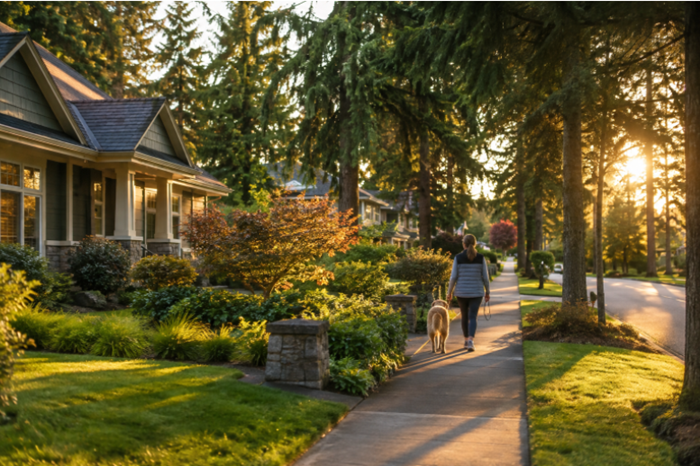
In Sammamish, Washington, the right home is about more than bedroom count, finishes, or a striking view. The neighborhood shapes the ordinary parts of life: getting to work, picking up groceries, walking the dog after rain, reaching a trail, and hosting friends. Two homes with similar prices can deliver very different routines, costs, and long-term flexibility. Buyers who want to compare current options can browse Sammamish Homes for Sale through Roy Towse, a Bellevue-based founding and managing broker affiliated with Compass. The page combines active property searches with local neighborhood information, making it a useful starting point for buyers considering Sammamish and nearby Eastside communities.
Why the Neighborhood Deserves as Much Attention as the House
A beautiful house can lose some appeal if the street feels congested at the times you travel, the nearest errands require more driving than expected, or outdoor access does not match your lifestyle. Location also influences privacy, traffic patterns, nearby construction, school transportation, maintenance demands, and eventual resale appeal. Do not judge an area solely by an open-house visit. Try to experience it on a normal weekday, including an early morning, an evening, and a weekend. Sammamish can feel very different during a quiet afternoon than it does during school drop-off or a rainy commute.
Start With a Personal Homebuying Checklist
Before comparing neighborhoods, define what “works” for your household. A clear checklist prevents a polished listing from distracting you from the issues that matter most.
- Set a maximum purchase price and a monthly payment that remains comfortable after all ownership costs.
- Choose a realistic commute range, including driving, transit connections, and remote-work needs.
- Identify space requirements for children, guests, pets, hobbies, storage, or a dedicated office.
- Rank preferences such as quiet streets, wooded surroundings, lake access, parks, trails, or nearby services.
- Consider likely changes during the next five to ten years, including family size, work arrangements, and mobility needs.
Compare Each Neighborhood by Daily Routine
Turn broad preferences into real-world tests. Drive the route to work at the time you would normally leave. Estimate school drop-off, grocery, medical, and recreation trips. Check whether the places you use most often are convenient in every season, not only on a clear weekend. Also look at access to libraries, fitness facilities, community spaces, and practical services. A neighborhood that feels slightly farther away on a map may be more convenient if its roads, routes, and nearby destinations fit your actual schedule.
Review Home Types, Lots, and Maintenance Needs
Sammamish offers a mix of detached homes, townhomes, planned communities, newer construction, and established properties. A larger lot may provide privacy and an outdoor room, but it can also mean more landscaping, tree care, drainage attention, and seasonal upkeep. Townhomes and communities with homeowner associations may reduce certain exterior responsibilities, while adding dues and shared rules. During tours and inspections, evaluate the roof, exterior, heating and cooling equipment, drainage, retaining features, landscaping, and driveway condition. Wooded settings, slopes, and mature vegetation can be appealing, but they deserve careful review by qualified professionals when concerns arise.
Calculate the Full Cost of Living
The listing price is only the beginning. Build monthly and first-year estimates for every property to keep comparisons consistent.
- Mortgage principal and interest.
- Property taxes, homeowners’ insurance, and utility costs.
- Homeowners association dues, rules, reserves, and possible special assessments.
- Landscaping, repairs, cleaning, and routine seasonal maintenance.
- Fuel, parking, vehicle wear, or transit costs connected to the commute.
- Inspection expenses, moving costs, immediate repairs, and a reserve for surprises.
Parks, Trails, and Outdoor Access
Outdoor amenities can strongly influence how a neighborhood feels after moving day. Identify nearby parks, trails, open spaces, playgrounds, and shoreline opportunities, then check practical details such as parking, lighting, restrooms, path connections, and accessibility. The City’s 2024 Parks, Recreation, and Open Space Plan can help buyers distinguish existing facilities from longer-term planning priorities. Think beyond proximity. A park within walking distance may be more useful than a larger destination that requires a drive, and a trail connection can matter more than a scenic map label if it supports everyday walks or bike rides.
Research Schools and Community Services Carefully
Verify school assignments using the exact property address, rather than relying on a neighborhood name, old listing language, or online rankings. Families should also consider childcare, libraries, medical offices, senior services, and programs that may become more important over time. Even buyers without school-age children may find that nearby community services contribute to convenience and future buyer interest.
Look Beyond the Property Line
Visit the street at different times and observe parking, noise, lighting, traffic flow, and nearby activity. Notice drainage routes, steep slopes, wetlands, large trees, and access points. These details can affect comfort, maintenance, and how confidently you can plan improvements. Review city planning information before making an offer, especially when a property is near a major corridor, civic site, or undeveloped parcel. The City’s Building 120 rezone process is a useful reminder that land-use proposals can change how an area develops over time.
Use Market Data Without Relying on One Number
Compare recent closed sales with homes that truly resemble the one you are considering in size, condition, age, lot characteristics, and property type. Asking prices can show seller expectations, but closed sales provide a better record of completed transactions. Also consider inventory, days on market, price changes, and sale-to-list patterns, while remembering that a citywide average may not describe a particular Sammamish neighborhood.
Build a Simple Neighborhood Scorecard
Score each area from one to five using the same categories:
- Monthly ownership cost.
- Commute and transportation.
- Errands and community services.
- Parks, trails, and recreation.
- Noise, traffic, and parking.
- Home condition and maintenance needs.
- Future development and flexibility.
- Overall lifestyle fit.
Questions to Ask Before Making an Offer
- What will ownership cost after taxes, insurance, dues, utilities, and maintenance?
- How long does the commute take when the household actually travels?
- Are school boundaries and service needs confirmed for this address?
- What nearby projects, zoning actions, or construction plans should be reviewed?
- Does the home have drainage, slope, access, or deferred-maintenance concerns?
- Will this neighborhood still fit everyday life in five years?
Choose the Sammamish Neighborhood That Fits Real Life
The best Sammamish neighborhood is not automatically the newest, largest, or most expensive. It is the one that supports your budget, routines, comfort, and plans. A consistent comparison process helps buyers look past first impressions, identify meaningful tradeoffs, and make a more confident decision.
Conclusion
Choosing a home in Sammamish means finding a neighborhood that supports both your current routine and plans. Commute times, nearby services, outdoor access, property condition, and ongoing costs can shape daily life just as much as the home’s features. By visiting areas at different times, checking local information, and comparing properties with consistent criteria, buyers can better understand each location’s benefits and tradeoffs. The goal is to look beyond first impressions and find a home that fits comfortably within your budget, lifestyle, and long-term needs.