Category: Health

  • What is a Thread Lift?

    What is a Thread Lift?

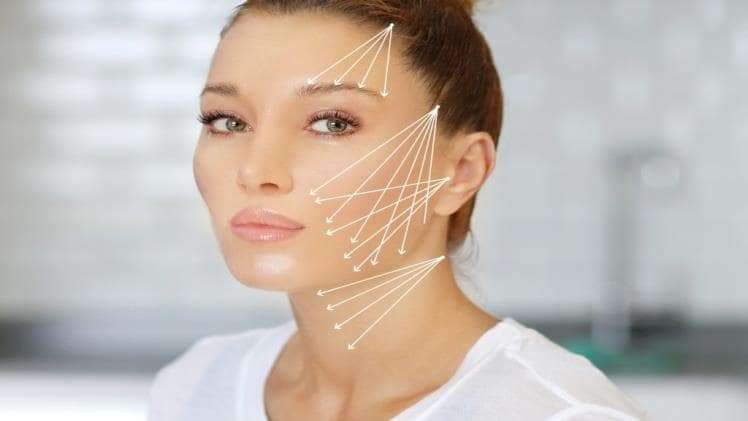
    A thread lift is a process that uses dissolvable sutures to tighten and lift your skin. Thread face lifts is a non-invasive, non-surgical facelift procedure and might regularly be performed in below forty-five minutes without needing to undergo surgery.

    A biodegradable polyester suture is used in PDO thread lifts. Some modern forms of thread lifts are better at lifting sagging skin, they’re wonderful for renewing your pores and skin.

    Area of Thread Lift?

    A thread carry can treat most parts of your face that are experiencing signs and symptoms of growing older. The regions around your cheeks, jaw, neck, and eyes are the various most typically treated regions.

    Thread lifts are frequently used in conjunction with other anti-aging procedures such as dermal fillers because the effects of thread lifts aren’t as dramatic as those of facelift surgery.

    Process of Thread Lift?

    You’ll probably be told to stay away from alcohol and tobacco for at least 5 days before your surgery, as well as anything else that could cause bleeding or bruising, such as:

    • Aspirin, Advil, E vitamin and high doses of Omega 3.
    • Green tea or extracts of green tea.

    On the day of your treatment, your doctor will go over any potential issues with you and provide you with recuperation instructions.

    Recovery Time.

    For the first 24 to 48 hours, you may experience some swelling and bruising, but you can resume most of your usual activities immediately.

    To avoid accidentally dislodging the thread, you should avoid scratching your face as much as possible for the first week after your treatment.

    For the first few weeks, you will probably be recommended to avoid pursing your lips, smoking, and drinking through a straw.

    What is Fox Eye Surgery?

    A fox eye surgical procedure alters the form of your eye.

    The name stems from the fact that the procedure is meant to resemble fox eyes.

    Although makeup may often achieve the same impression as a fox eye lift, the effects of this surgery are more long-lasting.

    It’s a painless surgery with a short recovery period.

    To achieve almond-shaped eyes, the outside corners of your eyes are lifted and pulled slightly outwards.

    Changing the curve of your eyes to make them foxy will give you a more youthful appearance.

    Four procedures are available at Aviv Medical Aesthetics to assist people to obtain this look.

    Recovery Period? 

    The time it takes to recuperate after fox-eye surgery varies based on the treatment.

    Temporal lifts do not necessitate any recovery period, so you can return to work immediately.

    PDO threading, on the other hand, is a non-surgical procedure that requires little recovery time.

    You may experience some bruising for a few days after the treatment, but you should be able to resume normal activities within a day or two.

    Since blepharoplasty and arthroplasty are surgical procedures, their recovery time will be slightly longer.

  • Vein Finder Is an Advanced Medical Device, Which Is Used to Search out Vein Networks beneath the Skin Layers

    Vein Finder Is an Advanced Medical Device, Which Is Used to Search out Vein Networks beneath the Skin Layers

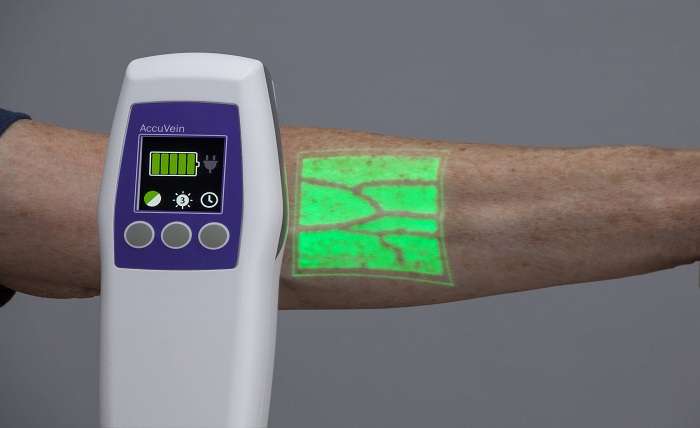
    Vein finders are used all over the world, especially in regions such as the United States, Singapore, and Italy. A near-infrared vein finder is a device that shows the location and color of veins with high accuracy. The technology uses certain wavelengths of DLP(c) projection to detect the location and color of the vein. This makes it safe and reliable and helps avoid cross-contamination issues. Another advantage of the near-infrared vein finder: it is portable and comes with various detection modes.

    If You Need More Information’s check This Link:  kannadamasti

    The basic prototype of a vein finder is composed of a high-power NIR-LED light source, a compact infrared-sensitive camera, and a filter. The researchers added some parts for enhancement purposes, such as a Digital Light Processing (DLP) projector, which allows the image of the vein to be projected onto the surface of the skin. Although the device is very compact and accurate, this type of scanner is more expensive than other options.

    “According to Coherent Market Insights, the advantages of vein finder over venipuncture (the conventional method of vascular access) is expected to accelerate the global vein finder market growth. Venipuncture attempts can fail leading to discomfort and pain in patients. It may also lead to bleeding complications such as hematoma (blood clotting under the skin), infections such as cellulitis can occur in tissues on the puncture site, and accidental pricking of a nerve may lead to injuries.”

    Click Here: masstamilan

    There are many advantages of near-infrared vein finders, but there are also many drawbacks. In addition to high costs, they can be difficult to use. Even if users are an expert at using a vein finder, it is still important to understand the science behind the technology. A Near-infrared vein finder can save the life by helping to diagnose the condition. In regions such as the United States, the increasing prevalence of hospitals has increased the usage of vein finders. For instance, according to American Hospital Association, currently, there are around 6090 hospitals in the U.S.

    One of the main advantages of a Near-IR vein finder is the cost. Depending on the budget, this tool is relatively inexpensive and portable. Its low price and portability make it useful for medical practitioners and students for cannulation training. A reflectance-type optical vein finder employs three LED lights and an infrared sensor camera. The images are processed with open-source image processing software. Near-infrared vein finder’s light is absorbed by human tissue, making it difficult to see veins with a traditional flashlight. A near-infrared vein finder uses the same method but differs in the types of light it uses. For instance, a transillumination device uses a red laser to identify the veins. Then, the device focuses on the blood in a particular area of the body.

    If You Need More Information’s check This Link:  kannadamasti

  • Probiotics; Type of Functional Food and Beverage That Help Improve Gut Function and Boost Immunity

    Probiotics; Type of Functional Food and Beverage That Help Improve Gut Function and Boost Immunity

    Probiotics are live microorganisms that are intended to have health benefits when consumed or applied to the body. These microorganisms, such as yeast and bacteria, help both humans and animals by maintaining the microbial balance of the intestines. They are classified as beneficial bacteria’s that promote healthy functioning of the gut. Taking probiotics, such as Ideal Immunity , minimizes the likelihood of viral infection and promotes a healthy bacterial population in the stomach. They help improve the immune response and preserve lipids and proteins from oxidative destruction. These products are available in the form of powders, tablets, gel, and capsules, and are taken orally or as supplements. According to the United Nations Food and Agriculture Association (FAO), when administered in adequate amount, probiotics confer a health benefit on the host.

    According to Coherent Market Insights, the growing awareness regarding the importance of maintaining gut health is primarily fueling the market growth of the probiotics. Growing cases of digestive disorders around the globe are propelling demand for probiotics. Changing lifestyle coupled with the changing eating habits is further increasing the prevalence of digestive disorders. Probiotics are gaining huge demand among consumers for improving gut health. Thus, growing awareness regarding the maintaining of gut health is augmenting the market growth of probiotics.

    probiotics for seniors are thought to improve health.. The most common probiotics include bifidobacteria, lactobacillus, and Saccharomyces boulardii. Probiotics are bacteria that live in the gut. They are beneficial for the health of the gastrointestinal tract and help maintain a healthy immune system. There are many types; each one works to protect the body against diseases. The good bacteria in the body helps keep the digestive tract in balance. Bad bacteria multiply in numbers when people are sick and throw the balance out of their bodies. The good bacteria fight these bacteria and restore the balance, and helps feel better and promotes the health of the gut. Good bacteria also supports the healthy cells of the gastrointestinal tract. Visit The Site: atozmp3.ws

    People with low levels of healthy bacteria in the gut may be more susceptible to infections and viruses.  For this reason, taking probiotics may be necessary. You may want to consider taking probiotics in the form of probiotics sachets to improve your digestive functions. In addition to protecting the body from illnesses, probiotics may help maintain clear skin. Digestive issues are often linked to the skin conditions such as psoriasis, eczema, rashes, and hives. This means probiotics can help clear up these problems as well. There are a number of health benefits of probiotics, including decreased risk of developing some allergies and reducing the severity of eczema in children. However, the evidence for this benefit is weak and more research needs to be conducted. 

    Because of the many benefits of probiotics, it is vital to consult the healthcare provider before taking a supplement. They can help choose the right probiotic for the body. Additionally, they can help determine how much and when to take it. The best way to choose a probiotic is to talk to a doctor. Studies have shown that improved gut microbiome can prevent obesity. It has been proven to reduce belly fat in women, and may help reduce the risk of certain allergies in infants. In addition to the benefits, there are also a number of other probiotics that may help lose weight. However, it is crucial to understand how they affect overall health and boost immune system.

    Probiotics are a type of good bacteria that helps keep the body healthy and working well, and can aid digestion and maintain gut health. A healthy immune system is important for everyone, and probiotics may play a vital role in improving its function. A general recommendation is to choose probiotic products with at least 1 billion colony forming units and containing the genus Lactobacillus, Bifidobacterium, or Saccharomyces boulardii. However, probiotics boost health only when consumed in adequate amounts. Read More About: mallumusic.info

  • Nasal Polyps Treatment; Depends On Patient’s Symptoms, Age, and Overall Health 

    Nasal Polyps Treatment; Depends On Patient’s Symptoms, Age, and Overall Health 

    Nasal polyp treatment usually starts with medicines, which can make even large polyps shrink or disappear. Medications that reduce inflammation may help reduce the size of the polyp and relieve symptoms of congestion. The goal of the treatment is to reduce their size or eliminate them. Medications that reduce inflammation may help reduce the size of the polyp and relieve signs and symptoms of congestion. Surgery may sometimes be needed, but it may not provide a permanent solution because polyps tend to recur.

    “According to Coherent Market Insights, Increasing approvals from regulatory bodies related to nasal polyps treatment is expected to drive the global nasal polyps treatment market growth. For instance, in June 2019, Dupixent received an approval from the U.S. Food & Drug Administration (FDA) for treating with nasal polyps. It was manufactured by Sanofi in partnership with Regeneron Pharmaceuticals Inc. It is the first treatment that got approved for chronic rhinosinusitis with nasal polyps. It is used when the oral steroids are unable to control the inflammation and to avoid the surgical method. Hence, such approvals are expected to impact positively on the global nasal polyps treatment market growth.”

    Nasal polyps are soft, painless, noncancerous growths on the lining of the nasal passages or sinuses. These growths are often shaped like teardrops and form in groups. Symptoms of nasal polyps may include headaches, snoring, sneezing, loss of taste or smell, a runny or stuffed up nose, and pain (in some cases). People with nasal polyps also report feeling like they have constant head cold. When nasal polyps are left untreated, they develop serious health conditions like sinus infection, Asthma flare ups, and Obstructive sleep apnea. 

    They can be a major inconvenience and can interfere with the normal drainage and ventilation of the sinuses. The size of the polyps may vary and can be clustered or may grow alone. The cause of nasal polyps can be due to cystic fibrosis, sinus infections, asthma, allergic infections, etc. Nasal polyp treatments such as medications are used to shrink or eliminate nasal polyps, as well as surgery is sometimes needed to remove them. Nasal polyps should be diagnosed by a doctor and can be treated through medication and/or surgery.

    Medication and outpatient surgery can shrink nasal polyps and relieve the symptoms of nasal polyps. Oral corticosteroids are the most effective medical treatment for nasal polyps. In June 2019, the U.S. Food and Drug Administration (FDA) approved Dupixent (dupilumab) to treat adults with nasal polyps accompanied by chronic rhinosinusitis (prolonged inflammation of the sinuses and nasal cavity).

  • China Continuous Glucose Monitoring Devices are used to assess disturbances in the glucose metabolism to determine respective treatments

    China Continuous Glucose Monitoring Devices are used to assess disturbances in the glucose metabolism to determine respective treatments

    Continuous glucose monitoring devices are a relatively new technology that allows users to monitor their blood sugar over an extended period of time. They can be used without the need for finger pricking or placing a blood sample on a test strip. Rather, the device is inserted under the skin, usually in the arm or stomach area. The device will automatically monitor the blood sugar and send alerts to the patient’s phone or tablet.

    According to the International Diabetes Federation (IDF), approximately 116 million people in China suffer from diabetes. With the introduction of China continuous glucose monitoring devices, there is a need for more accurate and convenient devices. But there are some challenges in this market. The low level of awareness and poor access to healthcare services are the major obstacles to adoption in the country. These devices are becoming more convenient and reliable for people with diabetes, as they provide reliable information to doctors.

    According to Coherent Market Insights’ analysis, increasing launches of CGM devices is expected to drive the growth of the China continuous glucose monitoring devices market. For instance in January 2019, Ascensia Diabetes Care, a Switzerland-based technology company formed through the merger of Bayer Health’s diabetes division and Panasonic Healthcare, is officially moving into the CGM space through a partnership with Huzhou, China-based Zhejiang POCTech. With this partnership Ascensia launched the branded version of POCTech’s CE-Marked CGM devices in several markets including China. Currently Ascensia, is focused on development of CGM devices for in-house application and company will co-develop a next generation product with POCTech.

    The China continuous glucose monitoring devices are the system that requires users to prick their finger-tips seven to ten times per day to collect blood glucose levels. A small sensor wire is attached to the sensor and secured by an adhesive patch. A continuous glucose monitoring is typically worn on the back or abdomen. The device then transmits the readings to a handheld electronic receiver. The device is compatible with most smartphones and is also available at different pharmacies and online.

    China continuous glucose monitoring devices can measure blood sugar in real time and for longer periods. The device is not a test strip, and it does not require a finger prick. Instead, the device is a tiny wire that is inserted under the skin. It measures the interstitial glucose level every few minutes and transmits the information to a monitor. With this type of diabetes monitoring, the results are displayed in a simple and convenient manner.

    As an added benefit, many China continuous glucose monitoring devices have the advantage of being easy to use and convenient to use. In addition, many of these devices are now compatible with many devices. Therefore, these devices can be very helpful in diagnosing and treating people with diabetes. There are several advantages to using China continuous glucose monitoring devices, including the lower cost and increased accuracy. They are an ideal solution for people with diabetes. The technology is extremely reliable and safe to use.

    Despite the numerous advantages of China continuous glucose monitoring devices, they are not without their downsides. Compared with the technology, continuous glucose monitoring devices may not be as accurate as they need to be. In addition to being accurate, these devices are easy to install. These devices can be placed on the body and are easy to use. Most of them have low price tags and are simple to operate. While China continuous glucose monitoring devices are popular with diabetics, they are not perfect.

    ADI’s technology is highly sensitive and reliable, and a wide variety of sensors can help improve the accuracy and life expectancy of the device. The technology’s ease of use has made it an attractive option for diabetics and their caregivers. They can also be used to monitor the level of sugar in the blood. This is a vital tool for managing diabetes and improving patient care. In addition, the demand for China continuous glucose monitoring devices is increasing as the number of diabetic patients increases.

  • Surgical blades are used by surgeons to cut skin/tissues and are available in single-use sterile or non-sterile scalpels

    Surgical blades are used by surgeons to cut skin/tissues and are available in single-use sterile or non-sterile scalpels

    Surgical blades are the tools used in surgery. They are made of carbon steel and have a hardness of about 62.5 HRC and 800 HV. Surgical blades come in foil packs with V.C.I paper and are available in boxes of 100. These knives are designed to be sharp, durable, and easy to use. Surgical blades come in various sizes and shapes. The blades come with handles that can be changed and can be used for different types of surgery. Some blades are specially made to suit a surgeon’s preferences and the physical layout of an operating room. Therefore, surgeons should consider the advantages of a specific surgical blade before purchasing one. Some of the blades are numbered to identify the size and shape of the blade. The number can be a shorthand code for the size and shape of the blade.

    According to Coherent Market Insights, due to increasing preference of laser surgery can reduce the market of surgical blade is the major factor restraining growth of surgical blade market during the forecast period. Recently, using a laser surgery to do cataract surgery allows the surgeon to make very precise incisions in less time. It can improve accuracy and consistency in surgical steps.

    Surgical blades have a long, curved blade and are commonly used for cutting tissue. Surgical blades with a flat, unsharpened back edge and a curved cutting edge are similar to non-surgical blades. These blades are best used for large incisions and are used for large incisions. For instance, in September 2021, CMR Surgical, a medical robot and advanced surgical blade provider, announced plans to develop a new facility in Japan.

    The best surgical blades should be sharp. The cutting edge is a crucial component of the tactile experience the surgeon has during surgery. Choosing the correct surgical blade can enhance the quality of the patient’s care and the satisfaction of the surgeon. There are two main kinds of blades: conventional ones and cartridge style. Both styles are highly effective and versatile, but they have their differences. Surgeons always consider what type of surgical blade is best for them. These types of blades are numbered to help surgeons quickly and easily identify the perfect blade.

  • Benefits, Drawbacks, and Alternatives to Coolsculpting for Inner Thighs

    Benefits, Drawbacks, and Alternatives to Coolsculpting for Inner Thighs

    A variety of FDA-approved nonsurgical procedures for reshaping the problematic inner thigh area are now available.

    Heat or cryolipolysis is used in noninvasive body sculpting to kill fat cells, which are then removed by the body as waste.

    The most popular fat-melting procedure is CoolSculpting.

    These inner thigh contouring treatments have a great level of satisfaction.

    The inner thighs are a notoriously difficult area of the body to contour and shape. While you can do inner thigh lifts until you’re blue in the face, the truth is that your inner thigh form is mostly dictated by genetics: where and how your body stores fat is a hereditary feature that you have little control over. The much-desired “thigh gap” shown on magazine covers and swimwear runways is unattainable for the vast majority of women.

    There are some transformational noninvasive methods that can shrink the inner thigh area without the need for plastic surgery for women (and men) who are fit, healthy, and near to their desired weight. The FDA-approved fat-melting methods CoolSculpting, SculpSure, and Vanquish are among the most popular.

    We talked to our panel of experts about CoolSculpting, the most popular noninvasive technology for contouring the inner thighs, and we’ll compare it to other nonsurgical fat-melting treatments.

    CoolSculpting

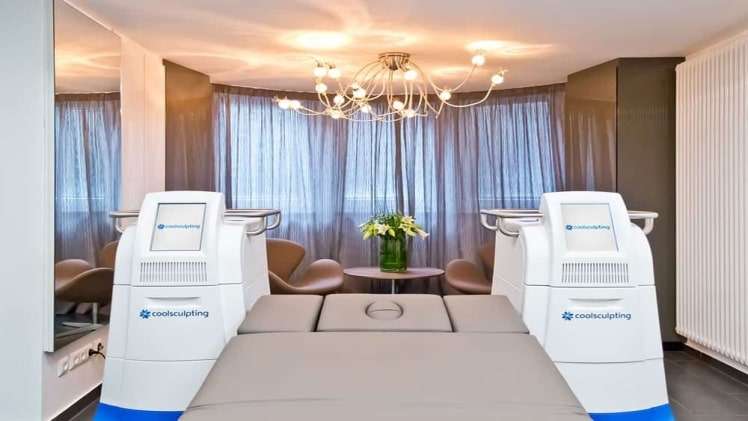
    CoolSculpting by Zeltiq is without a doubt the most popular and transformative nonsurgical surgery for inner thigh reshaping. In 2010, the FDA approved CoolSculpting for the elimination of fat bulges around the flanks (love handles), and in 2014, it was approved for use on the inner and outer thighs. It was an instant hit since it provided an alternative to liposuction. Clinical trials revealed that it reduced subcutaneous fat by up to 25% after just one treatment, with 86 percent of participants reporting an improvement in the treated area.

    Dr. Hilinski, a cosmetic surgeon and specialist CoolSculpting physician in San Diego, states, “There is truly no other treatment that allows freezing stubborn fat away like CoolSculpting.”

    “After just one treatment, patients should expect to observe a 25–30 percent reduction in extra fat.” And one treatment can take anywhere from 45 minutes to an hour.”

    CoolSculpting was prompted by a Harvard research in which doctors discovered that youngsters who ate popsicles had dimples in their cheeks. They eventually discovered that the popsicles were freezing and destroying small amounts of fat cells, a process known as cryolipolysis, while causing no injury to the skin or surrounding tissue. Because fat cells were more sensitive to cold harm than the surrounding water-rich cells, they were removed.

    CoolSculpting was born as a result of this groundbreaking revelation. The method was created to deliver precise and safe cooling to fat cells beneath the surface of the skin. The temperature of the skin is monitored by built-in sensors. The device immediately shuts down if the sensors indicate that the skin is becoming too chilly.

    Fat cells die after many weeks and are naturally eliminated by the body. The fat cells in the treated area are permanently eliminated.

    CoolSculpting is especially good for contouring the inner thighs. 45 people between the ages of 18 and 65 were given a 60-minute CoolSculpting treatment for their inner thighs in one research, with the following results:

    Ninety-three percent of patients were pleased.

    89 percent of people would tell a friend about inner thigh cryolipolysis.

    A second therapy was likely for 91 percent of the participants.

    After just one treatment, 84 percent of participants saw visible fat reduction in their inner thighs.

    CoolSculpting Advantages

    The CoolFit Advantage vacuum applicator makes using the device on the inner thighs more convenient.

    No downtime is required for a CoolSculpting procedure, which may be done during one’s lunch break. Patients who prefer quick, noninvasive aesthetic procedures that give real effects without a significant recuperation period may like this.

    After just one session, the average person eliminates 25% of their inner thigh fat.

    The fat reduction is progressive, enabling the skin to contract, so there is little chance of post-procedural skin laxity.

    Smaller, more defined areas of fat buildup around the inner thighs are well-suited to the CoolSculpting technology.

    Learn more about the areas of the body that Coolsculpting may help with and how effective it is.

    CoolSculpting has certain drawbacks.

    Dr. G. Philip Barnsley of Synergy Medical Aesthetics in Nanaimo, BC, explains that CoolSculpting is helpful for the inner thighs as long as the fat pockets are modest and localized in one spot on the inside of the leg. Dr. Barnsley explains, “Patients who are overweight and/or have big pockets of fat they want to treat should seek an alternative to CoolSculpting.”

    Patients with very little amounts of fat, on the other hand, may not be great candidates for CoolSculpting because the device targets fat cells via suction. For the therapy to be effective, there must be enough skin to suction into the applicator.

    The use of the correct applicator and careful positioning of the applicator are essential for effective inner thigh contouring with Fat freezing in Dubai . An indentation or concavity in the thigh might result from improper use. As a result, selecting a CoolSculpting practitioner that is certified and has a lot of experience is critical.

    CoolSculpting might cause moderate discomfort or numbing sensations in certain people.

    Do you want to learn more about CoolSculpting for inner thighs? Zwivel’s comprehensive guide to CoolSculpting may be found here.

    SculpSure

    Another popular noninvasive fat removal therapy is SculpSure. This method uses a laser with a wavelength of 1,060 nm to burn fat cells without harming the skin. This wavelength, according to research, warms fat to the required temperature for it to be destroyed while causing no harm to skin or body tissue.

    Four flat application plates are placed on the inner thigh area during a SculpSure treatment. Warming the targeted area for a few minutes to heat the fat cells is the first step. Alternate warming and cooling cycles are interwoven over the following 21 minutes to keep the fat heated while preventing skin overheating.

    Heat damages fat cells, which are eventually removed as waste by the lymphatic system. While skin tightening isn’t the main purpose of the procedure, the laser does help with modest tightening and collagen formation. With no downtime, a single 25-minute SculpSure treatment can kill up to 24% of fat cells in the targeted area. According to one study, 85 percent of patients who had the SculpSure procedure for the flanks were happy with the results.

    The FDA has approved the treatment for use on the inner thighs, and patients have reported remarkable outcomes.

    SculpSure’s Advantages

    SculpSure’s thermal heat tends to extend somewhat beyond the immediate treated area, resulting in a natural-looking transition between treated and untreated areas of the thigh.

    SculpSure takes less time to treat than CoolSculpting: 25 minutes vs. 35 minutes.

    The four SculpSure plates can be customized to suit and treat the inner thigh in the way that you choose. Unlike CoolSculpting, the treatment does not require suction, therefore it can be used on patients with extremely little quantities of fat.

    Both thighs can be treated at the same time.

    SculpSure has some drawbacks.

    Patients with a higher body fat percentage have a little more difficulty throughout therapy.

    As a result of treatment, some individuals acquire nodules or lumps of fat beneath the skin, but these normally disappear on their own over time.

    Following treatment, there may be some slight soreness or swelling, which can be controlled with pain medication.

    Because the body may absorb too much energy from multiple laser wavelengths, SculpSure cannot be used in conjunction with other laser treatments like laser hair removal or laser skin resurfacing. It is recommended that you wait two weeks between laser treatments. Do you want to learn more about SculpSure? Here’s what one patient had to say about his or her experience.

    Vanquish employs radio frequency to generate precise heat and kill fat cells without ever touching the patient’s skin. The applicator is suspended an inch from the patient’s body, and sensors embedded into the device compute the quantity of energy that should be administered based on the individual’s body fat.

    To eliminate fat cells, the outer layer of skin is heated to 101 degrees, while the underlying adipose or fat layer is heated to 120 degrees. The flexible applicator panels can be positioned to target the inner thigh. Radio frequency waves cause thermal damage to fat cells, resulting in a natural, controlled kind of cell death. The death of fat cells causes a reduction in the thickness of the fat layer in the Vanquish treatment region. It may take several weeks for the cells to be excreted from the body.

    The process takes about 30 minutes and must be done once a week for four to six weeks to achieve the best long-term outcomes.

    Vanquish’s Advantages

    Vanquish is better at treating larger areas than it is at shaping or contouring little pockets of fat on the inner thigh. Patients with a higher BMI who want a more circumferential thigh reduction will benefit the most from it.

    Although some patients notice slight perspiration, there is no pain or discomfort during or after treatment.

    Vanquish’s disadvantages

    Because the applicator does not come into contact with the skin, Vanquish lacks the targeted specificity of SculpSure or CoolSculpting.

    Patients who have metal implants such as hip replacements, surgical staples, or surgical screws near the treatment area, as well as people who have pacemakers, are not eligible for Vanquish treatment.

    Fat necrosis is manifested by lumps of hardness beneath the skin in certain patients (death). These normally go away after a few weeks. Start an online consultation with a plastic surgeon on Zwivel if you’d like to get free qualified medical advice about your inner thigh shaping alternatives.

    The verdict on the most effective noninvasive inner thigh therapy

    While Coolsculpting in Dubai remains the most popular noninvasive procedure for sculpting the bothersome inner thigh area, it is evident that each of these FDA-approved treatments has its own set of benefits and drawbacks, as well as being suitable to various people.

    The Advantages and Disadvantages of HydraFacial: Does It Really Outperform the Competition?

    Based on your cosmetic objectives, weight, and thigh shape, a board-certified surgeon or dermatologist can recommend the best therapy for you. The expertise and experience of the surgeon or practitioner performing your therapy have a significant impact on the outcome. Expert practitioners know how to use these technologies to achieve the greatest possible results while keeping the patient safe.

    » Use our online virtual consultation tool to contact a board-certified plastic surgeon near you if you’re interested in noninvasive treatment for shaping your inner thighs and want to consider your treatment alternatives. You’ll be able to upload photos, videos, and all of the relevant personal information for your chosen doctors to assess.
  • Urethral Stricture Treatment may involve surgical cutting of the structure or reconstruction using an urethroplasty procedure

    Urethral Stricture Treatment may involve surgical cutting of the structure or reconstruction using an urethroplasty procedure

    Urethral stricture treatment is a surgical procedure to repair the narrowing in the urethra. The repair will be done either through the use of surgery or by reconstructive techniques. The type of procedure chosen will depend on the severity and location of the stricture. Other treatments include stents, stent implants, or the use of medication. However, no treatment is 100% effective, and many patients will have to undergo multiple procedures.

    Urethral stricture treatment can be performed through endoscopic procedures. An endoscope (a thin tube with a camera attached) is passed through the urethra and a knife is inserted to open and cut the stricture lengthwise. A catheter is then inserted into the urethra to promote healing. While this procedure has fewer risks than other procedures, it can also cause a higher risk of infection and bleeding.

    Urethral stricture treatment is a surgical procedure that will ease the pain and improve the flow of urine. The goal of this procedure is to prevent further complications and improve the flow of urine. An urologist treats conditions involving the urinary tract, including the kidney, penis, and prostate. A patient must undergo the procedure if the stricture is causing significant problems, but in most cases, the surgery is not necessary unless it is causing serious medical problems.

    “According to research by Coherent Market Insights, urethral stricture treatment requires highly efficient & technologically advanced procedures. Technologically advanced procedures offer fast recovery with no down time and reduce recurrence. However, high cost of surgical procedures is likely to hamper growth of urethral stricture treatment market as individuals in lower middle income economies may not be able to afford the treatment. According to the Elsevier Inc. the cost of first treatment of Direct Vision Internal Urethrotomy (DVIU) is US$ 3,375.0 and the cost of second term treatment of DVIU is US$ 7,522.5, which is very expensive for patients in low and middle income countries.”

    Several options exist for urethral stricture treatment. Generally, treatment aims to improve the flow of urine and ease symptoms. A urologist may also recommend other procedures for patients with urethral stricture. The Mayo Clinic provides the best care available for patients with urinary tract disorders. They provide personalized care, ensuring a smooth recovery. In addition to medical procedures, a patient may have to undergo several follow-up visits to ensure the treatment is working. For instance, in February 2021, the first-ever patient with urethral structure was treated at Mannheim Urology in Germany by using a novel drug-coated balloon catheter.

    A general anesthetic is needed to undergo surgery. During the procedure, a small telescope is inserted into the urethra. This surgical procedure is very effective for short-term relief of symptoms. But, the procedure is not effective for all patients. In some cases, the stricture will re-occur and require treatment again.

    Aptoidey Very Informative News Website Where You Can Found Latest News. Also You Can Visit justspine. Thenewssources Best News Website Also Read More About ibloghub. Check This Link thewebgross

    best cbd gummies gold bee.

    botanical gardens cbd gummies reviews.

    cbd gummies for sale gold bee

  • Theranostics Technology Is Transforming The Field Of Medicine And is Becoming An Important Tool For Pharmacotherapy

    Theranostics Technology Is Transforming The Field Of Medicine And is Becoming An Important Tool For Pharmacotherapy

    Theranostics is a novel treatment strategy based on the use of targeted drug therapy in the detection and management of disease. The theranostic tests differ from standard blood glucose tests by using sophisticated technology, including molecular biology and genetics. Theranostic tests are based on microchips and testing platforms. They also target specific genes in the body to provide specific treatment. By combining a targeted therapy and a diagnostic test, theranostics offers a new level of care for patients and improved outcomes.

    Ultimately, the goal of theranostics is to improve patient care by targeting the most effective drugs for specific patients. By using new diagnostics, doctors can determine which patients will benefit from a particular drug. This process can be extremely helpful in expediting diagnosis and saving patients’ money on ineffective treatments. Further, theranostics can help diagnose cancer sooner, without waiting for a lab’s results. As a result, theranostics has transformed health care.

    Imaging is central to patient care and has been instrumental in the discovery of drugs. Theranostics allows physicians to more accurately predict the response of a drug to a given treatment, tissue toxicity, and prognosis. Moreover, it combines diagnostics and therapy, making them an effective tool for patient care. 

    According to Coherent Market Insights, development of novel companion diagnostic tests to be used with available treatment options is expected to boost the global theranostics market growth over the forecast period. Leading manufacturers are engaged in introduction of novel companion diagnostic tests in market. For instance, Illumina, Inc. announced launch of the U.S. Food & Drug Administration (FDA) approved extended RAS panel for identification of patients eligible for treatment of metastatic colorectal cancer with Vectibix (panitumumab) in 2017.

    Theranostics was first proposed in 2002 and has been applied since then. It is a growing field in medicine and is a valuable resource for personalized care. Currently, conventional cancer treatments lack specificity and are associated with high systemic toxicity. Theranostics, on the other hand, focuses on patient-centered care. Its goal is to provide an ideal transition from conventional medicine to personalized medicine. Its focus on genetics, proteomics, and biomarker profiling are the core pillars of the theranostics process. As a new technology for cancer diagnosis, theranostics is transforming the field of medicine. This new technology is also becoming an invaluable tool for individualized pharmacotherapy. It is a growing field of medicine involving the integration of diagnostics and therapeutics. In June 2021, GE Healthcare revealed new precision health and theranostics molecular imaging products and solutions at 2021 summer conference of the Society of Nuclear Medicine and Molecular Imaging (SNMMI) in the U.S. 

  • Can insulin resistance be reversed?

    Can insulin resistance be reversed?

    Nowadays, insulin resistance is a state influencing more than millions of people globally. For burning the stored fat and building the endurance to survive the environmental stressors, a person’s body’s cells are required to produce energy. A fraction of the energy production, as well as its storage in the body, relies on insulin. A person’s body creates insulin to keep the blood glucose at stable levels. Consuming or drinking, responding to stress, exercising, all help in stimulating the beta cells present in the pancreas to liberate insulin to keep the sugar levels under check. When the body fails to react to insulin the way it must, the body cells fail to receive enough sugar content from the bloodstream that they require for producing energy. This is called insulin resistance. Normal blood sugar level can be achieved with the help of expert diabetologists and dieticians. Book your appointment now with a Breathe Well-being diabetes expert.

    What occurs in a person’s body while insulin resistant?

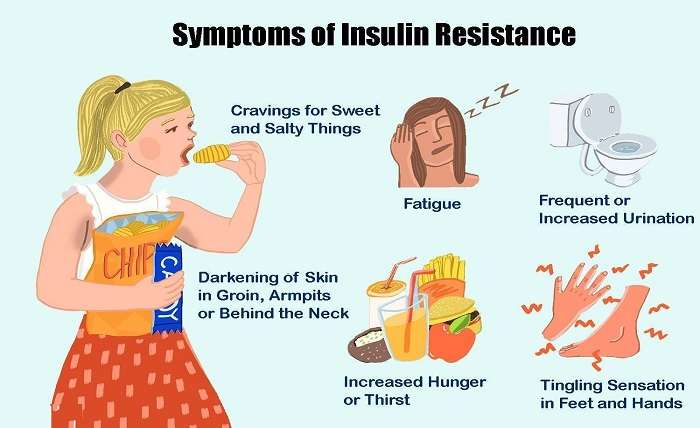
    For numerous reasons, body cells might stop reacting to insulin in the way they should. Rather than being sensitive to the insulin effects, this is the objective for better metabolic health, body cells become resistant to the insulin effects. When there is insulin resistance, glucose stays in the blood, resulting in high blood glucose. The pancreas would try fighting off the resistance by liberating more insulin to bring down the glucose level in the blood. With time, as insulin resistance deteriorates, added insulin won’t constitute the weak reaction of the body cells. The blood glucose would remain chronically high, a state called hyperglycemia, and may leave a person susceptible to complications including high blood pressure, high cholesterol, poor blood circulation, stroke, coronary artery disease, metabolic syndrome, and prediabetes or type 2 diabetes.

    Causes of Insulin Resistance

    Insulin resistance may result from lifestyle modifications, particular illnesses, and steroid use, such as:

    • Chronic stress: Stress leads to a declining insulin response. The high sugar content may cause enhanced production of reactive oxygen species. This may make it difficult for the body cells to change the stored sugar in the muscles and fat tissue into energy.
    • Being obese, chiefly apple-shaped bodies: The association between obesity as well as insulin resistance is found across all ethnic groups. Carry too much fat around one’s waistline as compared to the bum and a person can be at a greater risk of insulin resistance, type 2 diabetes, as well as cardiovascular problems.
    • Excessive sitting, not enough motion: A inactive lifestyle with slight physical activity is found to be linked to insulin resistance, increased blood pressure, and higher HDL cholesterol levels.
    • Diet containing mostly refined carbs, extra sugar, and processed foods: It was found that too much sucrose, glucose, fructose content may give rise to blood glucose imbalance and insulin resistance. It is better to have a diet rich in plants, whole foods, and low in sugar and ultra-processed packaged goods.
    • Smoking: Nicotine may promote insulin resistance.

    Can Insulin Resistance Be Reversed?

    A loud yes, it is possible to reverse insulin resistance. As per a study, insulin resistance might simply be the result of additional energy in the body cells over many years. To reverse this problem, it is good to burn the stored energy in the cells. In addition, embrace a lifestyle supportive of avoiding the issue of insulin resistance.  Book your appointment with a Breathe Well-being Diabetes expert to reverse type 2 diabetes naturally.

    Jumping on to reversing the insulin resistance

    • It is a must to move the body for at least half an hour each day. Exercise, any type, intensity, and duration enhance insulin sensitivity and aids in stabilizing the sugar content even after a person has stopped exercising.
    • Trim down, particularly if there is excess fat around the waist. Shedding weight helps in improving insulin sensitivity and lowering the risk of heart problems.
    • Follow an eating plan to reverse insulin resistance and avoid its recurrence.

    Reverse Insulin Resistance via Diet

    It is better to add some polyphenol-, epicatechin-, and anthocyanin-consisting food products to one’s diet. Rank low-glycemic foods in suitable portions. Low GI nutrition plans help to enhance body fat loss as well as decrease the risk of heart problems. Eat more and more fruits and veggies.

    • Polyphenols are present in several fruits and veggies such as oranges, berries, apples, apricots, cherries, spinach, carrots, onions, asparagus, broccoli, seeds and nuts like walnuts, almonds, and spices like cumin, saffron, cinnamon, cloves, etc.
    • Epicatechin concentrations are high in cherries, pears, apples, raspberries, blackberries, black grapes, broad beans, dark chocolate, etc.
    • Foods containing high amounts of anthocyanins include cranberries, blueberries, cherries, blackberries, purple cabbage, eggplant, etc.

    Thus, when a person’s insulin sensitivity is low, pressure is put on the pancreas to increase the production of insulin to clear glucose from the bloodstream. Also, low insulin sensitivity might lead to chronically high glucose levels, found to enhance the risk of illnesses like diabetes and heart problems. Luckily, there are several things a person can do by which his or her insulin sensitivity can be increased, reversing the insulin resistance as well.