Category: Health

  • Dental Charting and HIPAA Compliance: What you Need to know?

    Dental Charting and HIPAA Compliance: What you Need to know?

    Good dental health is essential to overall wellness, and charting patient records to ensure proper care is an integral part of providing excellent oral health services. But when it comes to managing these records, very specific regulations must be followed to remain compliant with HIPAA (Health Insurance Portability and Accountability Act) laws.

    This article provides a review of what you need to know about dental charting and HIPAA compliance requirements. So, if you’re a dentist or dental office looking to stay compliant, keep reading to learn more.

    What Is HIPAA Compliance?

    HIPAA stands for the Health Insurance Portability and Accountability Act, a federal law passed in 1996. HIPAA outlines how health information should be protected from unauthorized access, use, and disclosure and how individuals can control their health information. For dental practices, this means ensuring that patient records are secure at all times and that confidential data remains confidential.

    This includes charting procedures such as X-rays, treatment plans, diagnoses, patient histories, and other data.

    What is Dental Charting?

    Dental charting is a method of documenting dental health condition in a patient’s record. This document includes information on existing and past oral conditions, such as cavities and fillings, as well as any potential issues that may arise in the future. It also serves as a guide for dentists to provide the best care for their patients.

    Significance of Dental Charting

    Dental charting is a critical component of proper oral health care. It provides information about the patient’s dental history and current condition, helping dentists to make informed decisions about treatment plans and follow-up care. Dental charting also aids communication between dental professionals and patients by providing an accurate record that can be accessed quickly if needed.

    However, as with any medical data, dental charts must adhere to certain safety protocols to protect patient privacy. This is where HIPAA comes into play; the Health Insurance Portability and Accountability Act (HIPAA) sets strict standards for protecting private medical data from unauthorized access or disclosure.

    How Does Dental Charting Impact HIPAA Compliance?

    To ensure compliance with the Health Insurance Portability and Accountability Act (HIPAA) regulations, dental practices must take steps to ensure that all patient data is kept secure and confidential. This includes using adequate security measures when storing or transmitting patient information. All forms of data sharing must be conducted to prevent unauthorized access to patient information.

    Properly charting and documenting patient data is an essential part of HIPAA compliance. All dental practices should have established procedures for recording and protecting patient information, including using secure digital systems such as electronic health records (EHRs). It is important to ensure that all staff members are trained on these procedures and understand how to properly document, store, and protect patient data.

    In addition to using EHRs, it is also necessary for dentists and their staff to manually chart any sensitive information into paper forms or logs. This ensures that the privacy of each patient’s medical history is maintained even if the EHR system experiences downtime or malfunctions.

    The Bottom Line

    Dental offices need to maintain compliance with HIPAA regulations when charting patient information. To stay compliant, dental offices should ensure that all electronic systems are up-to-date and secure, have adequate security measures for paper documents, and maintain a privacy policy that outlines how patient data will be used and protected.

    By following these guidelines, dental practices can remain compliant with HIPAA laws while also providing their patients with quality care.

  • Unlocking the Secret of Quercetin: How it Can Help Slim Down Your Appearance Through Lymphatic Drainage

    Unlocking the Secret of Quercetin: How it Can Help Slim Down Your Appearance Through Lymphatic Drainage

    Are you looking for a natural way to slim down your appearance? Look no further than quercetin. This powerful antioxidant, found in a variety of fruits and vegetables, has been shown to promote lymphatic drainage, leading to a slimmer, more toned appearance. In this article, we’ll explore what quercetin is, how it promotes lymphatic drainage, and how you can consume it for best results.

    Introduction to Quercetin

    Quercetin is a flavonoid, a type of plant pigment that gives many fruits and vegetables their vibrant colors. It’s found in a variety of foods, including apples, berries, onions, and citrus fruits. In addition to its role as an antioxidant, quercetin has been shown to have anti-inflammatory, antiviral, and anticancer effects.

    What is Lymphatic Drainage and How Does it Affect Appearance?

    The lymphatic system is a network of vessels and tissues that helps to remove waste and toxins from the body. When this system becomes clogged or sluggish, it can lead to a buildup of fluid in the tissues, resulting in a puffy or swollen appearance. This is known as lymphedema.

    Lymphatic drainage is a technique used to stimulate the lymphatic system and promote the flow of lymphatic fluid. This can help to reduce swelling, improve circulation, and promote a more toned appearance.

    How Quercetin Promotes Lymphatic Drainage

    Quercetin has been shown to have a number of effects on the lymphatic system that promote lymphatic drainage. For example, studies have found that quercetin can increase the production of lymphatic vessels, which helps to improve lymphatic flow. It also has anti-inflammatory effects, which can help to reduce swelling and improve lymphatic function.

    In addition, quercetin has been shown to have a direct effect on the cells that make up the lymphatic vessels. It can help to strengthen these cells, making them more resistant to damage and improving their ability to transport lymphatic fluid.

    Benefits of Quercetin for Slimming Down Appearance

    By promoting lymphatic drainage, quercetin can help to reduce puffiness and swelling, leading to a more toned appearance. It can also help to improve circulation, which can further enhance the appearance of the skin.

    In addition to its cosmetic benefits, quercetin has been shown to have a number of other health benefits. For example, it has been shown to have antioxidant and anti-inflammatory effects, which can help to protect against chronic diseases such as heart disease and cancer. It may also have antihistamine effects, which can help to reduce allergy symptoms.

    How to Consume Quercetin for Best Results

    Quercetin is found in a variety of foods, including apples, berries, onions, and citrus fruits. To get the most benefit from quercetin, it’s important to consume a variety of these foods on a regular basis.

    You can also take quercetin supplements, which are available in capsule or tablet form. However, it’s important to talk to your doctor before taking any new supplements, as they can interact with other medications and may not be appropriate for everyone.

    Foods High in Quercetin

    If you’re looking to increase your quercetin intake through food, here are some of the top sources:

    • Apples
    • Berries (such as strawberries, raspberries, and blueberries)
    • Onions
    • Citrus fruits (such as oranges and grapefruits)
    • Leafy greens (such as kale and spinach)
    • Tomatoes
    • Broccoli
    • Quinoa

    Quercetin Supplements

    If you’re considering taking quercetin supplements, it’s important to choose a high-quality product from a reputable manufacturer. Look for supplements that contain at least 500mg of quercetin per serving, and avoid products that contain fillers or additives.

    It’s also important to talk to your doctor before taking any new supplements, as they can interact with other medications and may not be appropriate for everyone.

    Potential Side Effects and Precautions When Using Quercetin

    While quercetin is generally considered safe, it can cause side effects in some people. These may include headaches, stomach upset, and allergic reactions. It can also interact with certain medications, including blood thinners and antibiotics.

    If you experience any side effects while taking quercetin, stop taking it and talk to your doctor.

    Conclusion

    Quercetin is a powerful antioxidant that has been shown to promote lymphatic drainage, leading to a slimmer, more toned appearance. It’s found in a variety of foods, including apples, berries, onions, and citrus fruits, and is also available in supplement form. While quercetin is generally considered safe, it’s important to talk to your doctor before taking any new supplements, as they can interact with other medications and may not be appropriate for everyone. So, try quercetin to slim down your appearance and get the benefits of its other health benefits too!

  • How to Retrieve Your Medical Records During a Personal Injury Claim in Cedar Rapids

    How to Retrieve Your Medical Records During a Personal Injury Claim in Cedar Rapids

    If you have suffered an injury in Cedar Rapids and plan on filing a personal injury claim, one of the essential pieces of evidence you need is your medical records. Your medical records contain crucial information about your injuries, treatment, and recovery, which can help establish the extent of your damages. Click here if you need legal assistance.

    However, retrieving your medical records can be a challenging and time-consuming process, especially if you are still recovering from your injuries. Here are the steps you need to take to retrieve your medical records during a personal injury claim in Cedar Rapids.

    Identify the Healthcare Providers Involved in Your Treatment

    At the forefront of obtaining your medical records lies the task of recognizing the healthcare providers who played a role in your treatment. This can encompass an array of medical facilities, from hospitals and emergency rooms to urgent care centers, clinics, physical therapy centers, and any other establishment where you sought medical attention to nurse your injuries back to health.

    Request Your Medical Records

    Once you’ve managed to sleuth out the healthcare providers who played a role in your treatment, the next course of action is to procure your medical records from each one. You can go about this in a variety of ways, be it in person, over the phone, or by putting pen to paper. However, if you choose to make a written request, it’s pivotal that you furnish specific details such as your complete name and contact information, dates of treatment, healthcare provider’s name and contact information, as well as a detailed description of the records you’re after.

    Provide Authorization to Release Medical Records

    In order for your healthcare provider to grant you access to your medical records or share them with your personal injury attorney, you may need to affix your signature onto an authorization form. It’s crucial to thoroughly peruse the form and grasp the intricacies of the terms and conditions laid out within it prior to giving your consent.

    Follow up on Your Request

    Once you’ve completed the submission process and affixed your signature to the authorization form, it’s wise to follow up with your healthcare provider to confirm that they’ve received your request and are in the process of fulfilling it. You can opt to get in touch with them over the phone or simply check online to ascertain if your medical records are primed for collection.

    Final Thoughts:

    Hiring a personal injury lawyer to obtain your medical records can ensure that you receive all the necessary documentation to support your case and protect your legal rights.


  • Do I Have To Renew My Medicare Supplement Every Year?

    Do I Have To Renew My Medicare Supplement Every Year?

    Medicare Supplement Plans, or Medigap, provide additional coverage for senior citizens to help pay for healthcare costs that Original Medicare does not cover.  Medicare Supplement Plans NY coverage and premiums can vary from one plan to another. Before settling on a Medicare plan, review the terms and conditions of the plan. Here is some of the information worth knowing regarding Medicare Supplement plans:

    When Is the Ideal Time To Invest in a Medicare Supplement Insurance Plan for Yourself?

    The ideal time to buy a Medicare Supplement insurance plan is during your Medigap open enrollment period. This policy may provide individuals with the right to purchase health insurance coverage without being denied based on any pre-existing medical conditions. The enrollment period starts the first month you turn 65 and enroll in Medicare Part B.

    If you buy a Medigap plan outside your open enrollment period, the insurer may deny coverage and charge higher premiums due to medical underwriting. You can take advantage of the open enrollment period when shopping for Medicare Supplement Plans in NY. Once the enrollment period ends, it may be difficult for those with pre-existing health conditions to get approved by some companies.

    Navigating the world of Medicare can be confusing, especially when it comes to understanding the various supplemental plans available. One option that has gained popularity among seniors is the medicare supplement plan g. This plan offers comprehensive coverage and can help fill the gaps left by Original Medicare. To learn more about the benefits and features of this plan, be sure to check out this informative resource.

    Do I Have To Renew My Medicare Supplement?

    If you have Original Medicare, you may not be required to renew it every year. Your coverage will continue until you decide to review. For Medigap or Medicare Advantage Plans, the coverage renews automatically. You may consider reviewing it annually to address your health and financial situation.

    Automatic payments will renew your policy each year if you pay your premiums on time. Medigap policies commonly use this type of renewal. Automatic renewals don’t guarantee that premium rates will stay the same. You may experience an increase in premium costs from year to year.

    Guaranteed renewable policies can provide more protection because insurance companies cannot cancel or refuse to renew your policy as long as you pay your premiums on time. This type of renewal is useful for people who have health issues or pre-existing conditions and have to make several claims throughout the year.

    Part D plans cover prescription drugs and may change their coverage annually. Compare plans during the enrollment period to get the best coverage for your needs. Weigh out all available options and shop around for the best Medicare Supplement Plans NY for your needs.

    Pros and Cons of Automatic Renewals vs Guaranteed Renewable Policies

    Automatic renewals and guaranteed renewable policies are two options available for Medicare Supplement plans. Both have their pros and cons that should be considered before making a decision, including:

    Pros of Automatic Renewals:

    Convenience: Policyholders do not need to take any action to renew their policy. The insurance company will automatically renew the policy unless the policyholder decides to make changes or cancel.

    Lower Premiums: Automatic renewals may come with lower premiums than guaranteed renewable policies.

    Cons of Automatic Renewals:

    Rate Increases: Insurance companies may increase premiums from year to year. This can result in higher costs for policyholders.

    No Protection Against Cancellations: Policyholders have no protection against cancellations or refusals to renew coverage by the insurance company.

    Pros of Guaranteed Renewable Policies:

    Security: Policyholders know that their coverage cannot be canceled or refused as long as they pay their premiums on time.

    Stable Premium Rates: Regardless of changes in health status or claims history, premium rates remain stable.

    Cons of Guaranteed Renewable Policies:

    Limited Options: Not all Medicare Supplement plans offer this type of renewal option, so it may require additional research and comparison before choosing a policy.

    Higher Premiums: Guaranteed renewable policies may come with higher premiums than automatic renewal policies.

    Medicare Supplement Plans NY: Invest In Your Future

    Medicare Supplement Plans can offer many benefits that traditional Medicare does not. The plan provides extra coverage for medical services, premium savings, and flexibility when it comes to choosing health care providers. They may also offer guaranteed renewing policies that ensure that you’re covered from year to year.

    Using guaranteed renewable policies with your medicare supplement plans NY, you have the comfort knowing that your healthcare costs are being protected from year to year. Take the time to review Medicare Supplement Plans NY to make sure you’re getting the coverage and benefits that are right for you.

  • Beginner’s Guide to Meditation

    Beginner’s Guide to Meditation

    Have you heard others talk about the many benefits of meditation, but you don’t know where to start? Meditation is a practice that many people use to bring peace and calm into their lives. This guide will cover what you need to know about this practice and tips for getting started as a beginner. You can also learn how a yoga class can be a great place to start your journey with meditation.

    What is Meditation, and What Are Its Benefits?

    Meditation is a practice that can involve focusing, clearing your mind, settling the mind, or building awareness to achieve a state of mental stillness and clarity. It can be an effective way to relax, reduce stress and anxiety, increase self-awareness, and promote feelings of peace, joy, and well-being. As you practice meditation regularly, you can become more in tune with your body, mind, and emotions. This can help create a healthier relationship between yourself and the world around you.

    How to Meditate: A Guide for Beginners

    1. Find a Calm and Quiet Spot

    Find a spot in your home where you can sit undisturbed for 10 to 20 minutes. You can also meditate outdoors in a park or garden if you prefer. The space should be comfortable enough to sit in for the duration of your meditation session. You can also choose to play peaceful music in the background if it helps you relax.

    2. Sit Comfortably

    Sit comfortably on a chair or cushion with your spine straight and your eyes closed. You can sit with your legs crossed or simply rest your feet flat on the floor. Rest your hands gently in your lap, palms facing upwards. Allow your body to sink into the floor or seat, and relax.

    3. Establish a Regular Time

    It’s best to practice meditation at the same time each day, so it becomes part of your routine. Pick a time that works for you, such as early in the morning before work or in the evening before bed. As a beginner, you can start with shorter sessions and gradually increase your time as you get more comfortable with the practice. For instance, start with 10 minutes and work up to 20 or 30 minutes over time.

    4. Focus on Your Breath

    Once you’re settled in, focus your attention on your breath. Notice the sensations of air entering and leaving your body. Observe how your chest and belly rise and fall with each breath. If your mind starts to wander, notice where it goes and gently bring your attention back to the breath. This practice can help to bring your mind and body into the present moment.

    Note that there are different types of meditation, like mindfulness meditation, loving-kindness meditation, mantra meditation, visualization meditation, and many others. Each technique can have its own unique benefits. If you are new to meditation, start with the basics and practice breath awareness for at least a few weeks before exploring other meditation techniques.

    5. End With Gratitude

    When you feel ready, slowly bring your awareness back to the physical environment around you. Open your eyes and take a few moments to become aware of your body and environment. Finish the session with a few moments of gratitude. Reflect on how it felt to sit in stillness and acknowledge any peace you felt.

    A Yoga Class Is an Excellent Place To Start Your Meditation Journey

    Taking a yoga class can be a wise option if you are looking for guidance on your meditation journey. Many yoga classes include guided meditation as part of the practice. This can be a helpful way to learn and get comfortable with the basics before you start practicing on your own. A qualified instructor can also guide you through different types of meditation, so you can know what to do depending on what you want to achieve. Having a knowledgeable teacher to provide personalized guidance can be invaluable.

    Meditation can be an incredible tool to help cultivate inner peace and well-being, and it can be accessible to many people. A daily practice can bring greater clarity and ease to your life, so take the time to explore it and discover what works best for you. With patience and dedication, you can soon experience the many benefits of meditation. If you ever feel stuck or uncertain, consider joining a yoga class to get the guidance you need.

  • Benefits Of Inpatient Mental Health Retreat

    Benefits Of Inpatient Mental Health Retreat

    Due to the growing number of people looking for effective and all-encompassing treatment for their mental health issues, the popularity of mental health retreats has increased significantly. Those who are battling challenges related to their mental health can take advantage of a wide variety of benefits offered by inpatient mental health retreats in particular. The following is a list of the primary advantages that come with participating in an inpatient mental health retreat:

    Comprehensive Treatment

    Residential treatment programs for mental illness provide patients with all-encompassing care that attends to their physical, emotional, and spiritual requirements in addition to their mental health concerns. Retreats that offer cbt residential treatment give patients access to a wide variety of evidence-based treatments, such as individual counseling, group therapy, medication management, and alternative therapies including yoga, meditation, and art therapy.

    Safe And Supportive Environment

    Inpatient mental health retreats provide a safe and supportive environment for individuals to focus on their mental health and well-being. Retreats offer 24/7 monitoring and support from mental health professionals, which can help individuals feel more secure and protected. Additionally, retreats offer a community of like-minded individuals who are also working towards improving their mental health, which can provide a sense of camaraderie and support.

    Structured Schedule

    Inpatient mental health retreats offer a structured schedule that helps individuals establish healthy routines and habits. The schedule includes a range of therapeutic activities and treatments, as well as time for self-care and reflection. A structured schedule can also help individuals develop a sense of purpose and meaning, which help combat feelings of hopelessness or despair.

    Break From Daily Stressors

    An inpatient mental health retreat offers a chance to escape the kinds of everyday circumstances that might exacerbate mental health issues. During their stay, visitors can take advantage of the outdoor spaces, fitness centers, and nourishing meals available at the retreat, which is designed to offer a tranquil and pleasant ambiance. Those who are trying to discover and address underlying mental health issues may find it helpful to step back from the stresses of daily life to gain perspective and clarity.

    Access To Specialized Care

    Inpatient mental health retreats offer access to specialized care that may not be available in other treatment settings. Retreats often have specialized programs for specific mental health issues, such as trauma, addiction, or eating disorders. Additionally, retreats offer access to a range of mental health professionals, including psychiatrists, psychologists, and therapists, who can provide personalized care and treatment.

    Increased Focus On Self-Care

    Retreats that provide inpatient mental health care focus a significant amount of emphasis on self-care as well as self-improvement. People are urged to concentrate on their physical well-being by engaging in physical activity, maintaining a nutritious diet, and cultivating mindfulness via activities like yoga and meditation. In addition, retreats typically provide alternative therapies like massage and acupuncture, all of which can be beneficial in alleviating stress and fostering relaxation when used appropriately.

    Long-Term Benefits

    Inpatient mental health retreats provide long-term benefits that extend beyond the duration of the retreat. Individuals who participate in retreats often report improved mental health and well-being, reduced symptoms of mental illness, and increased resilience and coping skills. Additionally, the skills and strategies learned during the retreat can be carried forward into daily life, contributing to ongoing mental health and well-being.

    Conclusion

    Inpatient mental health retreats offer a range of benefits for individuals struggling with mental health issues. By providing comprehensive treatment, a safe and supportive environment, a structured schedule, a break from daily stressors, access to specialized care, increased focus on self-care, and long-term benefits, inpatient retreats can be a highly effective form of treatment for mental health concerns.

  • What Should You Avoid After Ketamine Treatment

    What Should You Avoid After Ketamine Treatment

    Ketamine is a powerful medication used to treat various medical conditions, including depression, chronic pain, and anxiety. It works as an anesthetic and can effectively reduce or eliminate symptoms. Here is what you should avoid after ketamine treatment:

    Driving or Operating Heavy Machinery

    Ketamine can cause side effects such as dizziness and confusion. These side effects can impair your ability to drive safely or operate heavy machinery. This may put you and others at risk of accidents. To reduce the risk of injury, avoid driving or operating heavy machinery for at least a day after a ketamine treatment session.

    Taking Alcohol and Other Drugs

    Alcohol and other drugs can interact with ketamine in unpredictable ways that may worsen the side effects of the medication or even render it less effective. Avoid alcohol and other drugs for at least a day after a ketamine treatment session. This includes prescribed medications as well as recreational drugs like marijuana.

    Making Significant Life Changes

    Significant life changes include major decisions such as quitting your job or moving across the country. Changes like these can cause stress or upheaval in your life that may interfere with how well you respond to the treatments. Wait until your treatment plan has come to a close before making any big changes in your life.

    Doing Strenuous Exercise

    Ketamine can cause feelings of drowsiness and fatigue which can linger for several hours after the treatment session is over. Avoid strenuous exercise for at least a day after a ketamine session so that you do not strain your body unnecessarily while recovering from the medication’s effects. Opt for low-intensity activities such as light walking or yoga.

    Skipping Follow-up Appointments

    Follow-up appointments can help monitor your progress and check if the ketamine treatments are working as intended. Skipping these appointments can lead to decreased effectiveness of the ketamine treatments. There may be potential side effects that could have been avoided with regular checkups from your doctor.

    Neglecting Self-care

    Take care of yourself physically and mentally during this time by getting enough sleep, eating healthy meals, and engaging in activities that bring you joy. All of which can help you succeed with your treatments.

    Eating Heavy Meals

    Maintain a balanced diet while recovering from ketamine therapy. Eating heavy meals can be challenging for anyone recovering from any kind of medical procedure. Stick to light meals that are easy on your digestive system, and drink plenty of fluids throughout the day.

    Smoking

    Smoking can be damaging after undergoing ketamine treatment. Not only can smoking lead to complications with your recovery process, but it can also increase your risk of experiencing side effects such as nausea or dizziness. If you smoke during recovery, do so in a well-ventilated area, and don’t overdo it. Smoking too much can cause serious health concerns.

    Taking Hot Showers

    Hot showers may aggravate the skin and worsen any existing irritation or redness that may have occurred during the procedure. Opt for lukewarm or cool showers to avoid any negative reactions to your skin.

    Being in Stressful Situations

    People who undergo this type of therapy can feel overwhelmed or anxious during the first few days following their treatment. Do not put yourself in any situation that could exacerbate these feelings. This means avoiding confrontations with others or anything else that could cause stress and agitation. Focus on relaxation techniques such as deep breathing or meditation.

    Seek Ketamine Treatment Today

    Ketamine treatment can be effective in treating certain mental health conditions, but you should take precautions following treatment to be safe. Avoiding the above activities can decrease the likelihood of adverse side effects and help you get the most out of your treatment. Follow your doctor’s instructions and recommendations for a successful treatment.

  • What To Look for When Purchasing an Operating Table

    What To Look for When Purchasing an Operating Table

    The operating table is the centerpiece of the operating room (OR). Consider the needs of your medical, dental, veterinary, or scientific practice as you shop for an operating table. This could include the types of operations you conduct and the special features your OR needs to have. The right operating table for your practice should meet the unique needs of both the professional staff and the patient. Here are some specific things to look for when purchasing an operating table:

    Functionality

    The operating table should be designed with adjustable height, tilt, and positioning features. It should accommodate a range of surgical procedures, from minor to major surgeries. Look for a versatile and flexible table with a wide range of settings and options that professionals can adjust to suit different patients and procedures. Tables with multiple sizes, colors, and accessory options can be customized to meet your practice’s needs.

    Good operating tables should also be designed to accommodate a variety of surgical specialties. Specialized tables can include features like radiolucent tops for imaging procedures or bariatric weight capacities for larger patients.

    Find a table made from high-quality materials that can withstand the wear and tear of daily use. It should support heavy loads without buckling or collapsing and resist corrosion and rust. Operating tables should also be easy to clean and maintain, with no crevices or hard-to-reach areas where bacteria can accumulate.

    Comfortability

    Consider the comfort of the patient and operating team when purchasing a new table. The operating table should provide maximum comfort for the patient with features such as adjustable headrests, armrests, and leg supports. It should be designed to minimize pressure points and provide adequate support to prevent discomfort during extended operations. For the surgical team, the table must provide easy access to the patient with ample room for equipment and personnel.

    If your facility frequently regularly conducts extended operations, consider features like extra padding, safety straps, and headrests. These features increase patient safety and comfort during a lengthy procedure. The table should have sufficient padding to support the patient’s body, particularly in the head, back, and legs. Padding must be firm enough to support the patient’s body but soft enough to be comfortable. The table should be able to accommodate patients of different sizes and shapes. This helps guarantee all patients are as comfortable as possible during procedures.

    Patient comfort can also be improved by providing additional amenities like heating, cooling, or massage functions to your practice’s table. These features can help reduce patients’ anxiety, helping them feel more comfortable and relaxed during the procedure and improving the procedure’s outcome.

    Safety

    Safety is a top priority in any surgical setting, and the safety of the operating table is no exception. The table should provide maximum safety for the patient with features such as adjustable side rails, straps, and restraints to prevent falls or other accidents during operations. Look for a table made to minimize the risk of infection with features such as easy-to-clean surfaces and antimicrobial coatings.

    An easily maneuverable table, with details like lockable casters and a lightweight design, is helpful within a hospital as it can be easily transported through doorways and elevators.

    Safe tables should allow easy and simple patient access and have features like adjustable tilt and height to suit various staff and procedural needs. Find tables built with features like adjustable armrests and foot pedals to lessen the need for repetitive movements and reduce fatigue and strain on surgical teams.

    A safe table must be sturdy enough to hold the patient’s weight and any additional equipment or instruments required for the surgery. Before purchasing, check the table’s weight capacity against your patient demographic’s average weight, including the weight of the equipment used during your procedures, to make sure the table can handle the load.

    Find the Right Operating Table for Your Facility Today

    The best table for you ultimately depends on your practice’s specific needs and circumstances. Research and determine which features matter most to you and your patients. Consider your budget, any specialization options, and the overall comfort of patients and staff when picking a table. The right table can make all the difference in the success of a surgical procedure, so find yours today.

  • Don’t Skimp on Your Health Insurance Policy – Get the Best Coverage You Can Afford

    Don’t Skimp on Your Health Insurance Policy – Get the Best Coverage You Can Afford

    Medical emergencies occur without warning, and one must be prepared to handle such situations. Individuals need the best health insurance policy since it gives them full financial support in the event of a medical emergency. 

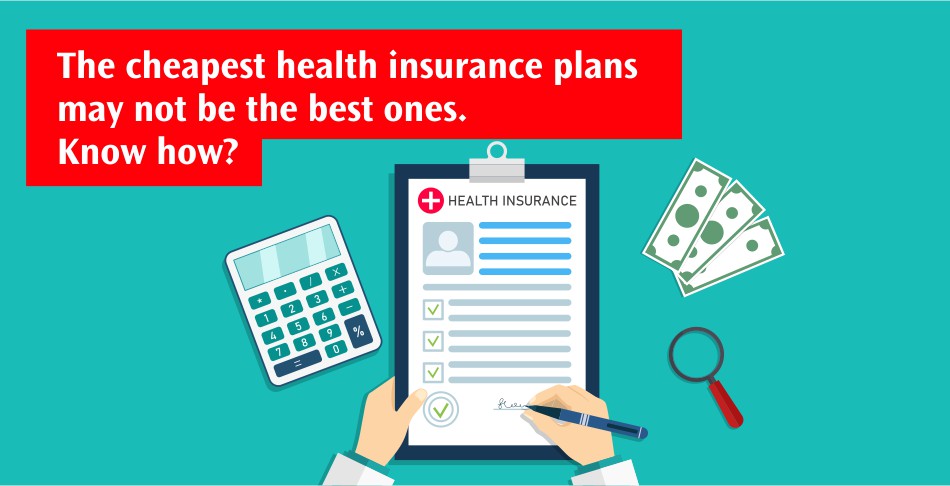
    Health risks and uncertainties are also possible because they are a natural part of existence. However, one should exercise extreme caution while purchasing a family health insurance policy to avoid selecting a low-cost option. You won’t be able to gain much from such a policy and will be forced to cover most of the costs out of your pocket.

    To protect yourself from such instances, it is possible to buy an adequate medical insurance policy and make the right decision. The post discusses the disadvantages of buying a low-cost and best  insurance policy.

    Choosing the right health insurance policy is a critical step in securing your and your family’s health and financial well-being. It’s not just about finding a policy that fits your budget; it’s about ensuring you have access to quality healthcare services when you need them. This includes selecting a policy that covers a wide range of medical services and providers, allowing you to receive care from trusted and reputable clinics without worrying about out-of-pocket costs. For those seeking comprehensive medical services, from routine check-ups to specialized treatments, we recommend you contact Obria Medical Clinics. Their dedicated team offers a wide range of healthcare services designed to meet your specific needs, ensuring you get the most out of your health insurance coverage.

    Why Should You Not Fall For A Cheap Health Insurance?

    Individuals should seek out medical insurance plans that can maximise their benefits & that are relevant to their medical profile. The least expensive health insurance policy might be financially appealing, but they tend to make poor investment decisions since it lacks the majority of benefits. The following reasons highlight how these inexpensive plans skimp on providing for the insured:

    Low Claim Settlement Ratio 

    The claim settlement ratio measures how many claims were settled by the insurance company and how many were submitted. In the case of affordable insurance plans, the claim settlement ratio is relatively low. As a result, it is highly challenging for a patient to obtain a significant number of claims during a period of uncertainty.

    No Claim Bonus

    The insurance company will reward the insured for not filing any claims throughout the policy year with a no-claim bonus. Even if a low-cost medical plan offers no claim bonuses to policyholders, these bonuses are often relatively insignificant compared to other plans.

    Inadequate Co-Payment Clause

    Co-payment is the sum the insured person will pay if they need to go to the hospital. Their medical insurance will not pay for this amount. Co-payments may account for a more significant portion of expensive health plans, which can be prohibitively expensive.

    High Waiting Period

    The waiting period in insurance is when you are required to wait to get the benefits of an insurance policy. When purchasing cheap medical insurance coverage, the insured typically has a relatively long waiting time of three to four months before they may submit a claim. This makes it highly unpleasant and challenging for the insured to begin t.

    Expensive Renewability

    The lifetime renewal capability might not be offered for cheap insurance plans. Due to the requirement to obtain new plans when the current ones expire, people who continue to invest in such policies will likely face higher expenses in the future. Healthcare needs are increasing over time, so lifetime renewability is essential. Even if the corporation gives lifetime renewability, it will be costly.

    Final Thoughts 

    An individual’s financial portfolio must include insurance. You can search for the best health insurance policy in India among the various plans based on your requirements and medical history.

    People must conduct a thorough study before choosing a plan so that they may make choices that won’t end up costing them money down the road. In addition, cheap health plans must be thoroughly examined because they may not include all the necessary components of healthcare that a person may need.

    Niva Bupa provides the most affordable and best health insurance policy with sufficient coverage to protect oneself against disease. Additionally, it offers protection against expenses that might otherwise be difficult to cover. Niva Bupa prepares you to combat severe illnesses as it is the best  insurance policy. Go to their website to learn more!

  • The Advantages of Employing a Locum Pharmacist for Access to Healthcare

    The Advantages of Employing a Locum Pharmacist for Access to Healthcare

    Medical care is a basic human right, yet it is not always easy to achieve. People in some locations may have difficulty receiving healthcare services, particularly in rural areas where medical personnel are scarce. In such cases, the services of a chemist locum might be extremely beneficial.

    This article will look at the advantages of hiring a pharmacist locum as well as how they can help enhance access to healthcare.

    What Exactly is a Pharmacist Locum?

    A pharmacist locum is a certified pharmacist who provides temporary assistance to pharmacies or medical facilities in need. Depending on the demands of the company, they can work on a short-term or long-term basis.

    Pharmacist locums are highly qualified experts who can step in and oversee pharmacy operations when the regular pharmacist is unavailable. They have the same credentials and experience as ordinary pharmacists but are only available when needed.

    The Advantages of Employing a Locum Pharmacist

    Increased Access to Medical Services

    One of the major advantages of employing a locum pharmacist is that it might improve access to healthcare services. There may be a shortage of pharmacists in remote locations, which might cause delays in accessing prescription or healthcare advice.

    A pharmacist locum can help fill this void and ensure that patients receive the care they require as soon as possible.

    Care Continuity

    When a regular pharmacist is on vacation or off sick, patients’ care may be disrupted. A locum pharmacist can ensure continuity of care and that patients receive their medicine and guidance as usual. This contributes to patients’ trust and confidence in the healthcare system.

    Less Work for Regular Pharmacists

    Regular pharmacists frequently work long hours, which can contribute to burnout and stress. Employing a pharmacist locum might help to minimize workload and allow the regular pharmacist to rest and recharge. As a result, their job happiness and performance may improve.

    Increased Flexibility

    A pharmacist locum can give flexibility to healthcare facilities needing additional assistance during peak seasons. Depending on the demands of the company, they can work on a short-term or long-term basis. This helps ensure that the healthcare facility can continue to care for patients without interruption.

    Economical Solution

    Employing a locum pharmacist is cost-effective for healthcare organizations requiring extra assistance.

    Rather than hiring a full-time pharmacist, they can engage a pharmacist locum as needed, saving them money in the long term.

    How to Find a Locum Pharmacist

    Healthcare organizations can contact staffing companies that specialize in offering locum staffing solutions to employ a pharmacist locum.

    On an as-needed basis, these agencies can provide highly qualified and experienced pharmacist locums. They can also assist with the paperwork and logistics of employing a locum chemist.

    Conclusion

    Access to healthcare is a basic human right, and employing a pharmacist locum can help enhance access to healthcare services, particularly in rural locations. Pharmacist locums can help healthcare institutions by providing continuity of treatment, reducing workload for regular pharmacists, and providing flexibility.

    They are a cost-effective choice for healthcare organizations that want more assistance. Using a pharmacist locum ensures that patients receive the care they require promptly and effectively.