
Category: Health

  • Employer Assistance for Employees Facing Health Setbacks

    Employer Assistance for Employees Facing Health Setbacks

    When faced with health setbacks, employees often find themselves navigating a complex landscape of uncertainties. Recognizing the profound impact of temporary disabilities on both professional and personal aspects of an individual’s life, employers play a crucial role in providing support during these challenging times. In this article, we’ll explore various ways employers can extend assistance to employees dealing with short-term health challenges, emphasizing the importance of fostering a workplace culture that prioritizes employee well-being.

    Flexible Work Arrangements

    One of the key ways employers can support employees facing health setbacks is by offering flexible work arrangements. This may include telecommuting options, adjusted work hours, or modified job duties to accommodate temporary physical or cognitive limitations. By tailoring the job to fit the health needs of the employee, employers contribute significantly to maintaining productivity while recognizing the importance of health and recovery.

    Paid Time Off Policies

    Paid time off (PTO) policies are a critical component of employer assistance during health setbacks. These policies allow employees to take the time they need to focus on their health without the added stress of financial insecurity. Employers can communicate the availability and details of PTO policies clearly, fostering a workplace culture that values the well-being of its employees and understands the importance of taking the necessary time for recovery.

    Health and Wellness Programs

    Employers can take a proactive approach to employee well-being by implementing comprehensive health and wellness programs. These initiatives may include access to fitness facilities, mental health resources, and preventive health measures. By investing in the overall health of their workforce, employers not only contribute to preventing health setbacks but also create a supportive environment for those facing temporary disabilities.

    Employee Assistance Programs (EAPs)

    Employee Assistance Programs (EAPs) are invaluable resources that offer holistic support for employees dealing with personal and professional challenges, including health setbacks. These programs often provide counseling services, mental health support, and resources for navigating health-related difficulties. For instance, an employer might offer temporary disability benefits in Arizona or access to medication for their workers. By offering EAPs, employers acknowledge the interconnectedness of personal and professional well-being, reinforcing a commitment to supporting employees through various life circumstances.

    Clear Communication

    Effective communication is at the heart of any supportive workplace culture. Employers can ensure that employees are aware of available resources and assistance by maintaining clear and transparent communication channels. This includes detailing health-related policies, reminding employees of available support programs, and facilitating open discussions about health challenges. Creating a culture that encourages open dialogue helps employees feel valued and supported, contributing to a more resilient and cohesive work environment.

    Conclusion

    In conclusion, employer assistance for employees facing health setbacks is not just a matter of policy; it is a fundamental aspect of cultivating a workplace culture that prioritizes well-being. Flexible work arrangements, paid time off policies, health and wellness programs, Employee Assistance Programs, and clear communication channels collectively contribute to creating an environment where employees feel supported during times of health-related challenges. As employers invest in the health and recovery of their workforce, they not only foster loyalty and dedication but also contribute to building a workplace that values its most important asset – its people.

  • From Seed to Bottle: Nesa’s Commitment to Quality in Herbal Production

    From Seed to Bottle: Nesa’s Commitment to Quality in Herbal Production

    There are no shortcuts when it comes to the production of pure CBD oil, according to Inesa Ponomariovaite, a holistic health practitioner and expert on hemp and CBD. In fact, the more she learned about modern hemp cultivation and manufacturing, the more she realized that competing products did not measure up to her expectations.

    Ponomariovaite launched Nesas Hemp to develop a hemp oil product that was chemical-, solvent-, and metal-free from start to finish. Her extensive research and experimentation yielded an item called “Living Hemp.” She employs every part of the plant, keeping it alive and healthy throughout the entire process. By using this groundbreaking method, she is able to provide the best CBD oil on the market.

    Nesas Hemp’s commitment to quality springs from a labor of love

    The passion behind Nesas Hemp’s dedication to excellence is clear in every product, but Ponomariovaite didn’t intentionally set out to start a multinational organic hemp enterprise. When her mother called long distance from Lithuania to inform her about a devastating diagnosis of terminal cancer, Ponomariovaite channeled raw emotion into action and dove headfirst into research.

    Ponomariovaite’s investigation into alternative cancer therapies led her to the miraculous curative properties of the hemp plant and the booming CBD industry. As a practitioner of holistic medicine, she had no doubt about the therapeutic value of CBD oil and organic hemp oil, but she was skeptical of modern production methods.

    Ponomariovaite was adamant about getting her mother access to medical-grade hemp. “After painstaking research, I visited factories and farms in person. When I realized there were no laws in place to make producers and manufacturers responsible for their actions, I made it my job to protect my mother and other consumers like her.”

    Not a single product on the market met Ponomariovaite’s demands by being 100% organic, natural, and risk-free. Time and time again, she saw producers recklessly sourcing materials to speed up manufacturing. She also noticed that in their haste to get items to market, they stripped the hemp plant of many of its beneficial properties.

    Ponomariovaite became disillusioned with contemporary methods and began to long for the past. “Historically, people respected the power of these wondrous plants, but today, people care more about the bottom line than healing. When we bypassed ancient wisdom and sped up the process with technology, we gave up thriving, natural plants for less healthy specimens grown in labs.”

    To uncover the lost art of growing and harvesting hemp, Ponomariovaite tracked down and translated primary sources. She interviewed specialists all over the world, sought advice from doctors, and pored over research studies. Finally, after years of studying both modern and ancient hemp cultivation, she is a recognized expert in the field.

    Ponomariovaite’s years of research left her with two goals. First and foremost, she wanted to help her mother. Next, she hoped to reestablish trust in the cannabis industry.

    Ponomariovaite achieved both of these goals by creating an exceptional product worthy of the hemp plant’s restorative potential. From the hemp seed to the finished bottle of pure CBD oil, she envisioned an all-natural procedure. During the extraction process, she refused to take shortcuts that removed any of the hemp plant’s healing components or made use of synthetic compounds or harmful metals. Because she would not settle for anything less than the best, she created the world’s first brand of full-spectrum CBD oil.

    The importance of starting with 100% organic hemp plants

    Ponomariovaite is convinced that for hemp plants to heal, they must be healthy and thriving. “Our attention to detail throughout cultivation yields plants at the peak of health,” she observes. “To ensure that each plant achieves its full potential, we routinely analyze our soil, water, seeds, and organic fertilizers. This enables us to start with plants ready to provide nature’s most potent therapeutic benefits.”

    Clinical research is proving that, in its purest form, the hemp plant can heal not only the body, but also the mind and spirit. The calming effect of pure CBD for anxiety allows people to live a life with less anxiety and mitigate stress. It enables people to establish healthy sleep patterns and achieve a better night’s sleep. It rejuvenates skin, nails, and hair, giving them a healthy glow. Furthermore, CBD oil for pain relief acts as a natural remedy for musculoskeletal issues, reducing joint discomfort, inflammation, and osteoarthritis.

    To obtain these life-altering effects, people must have access to the highest-quality hemp oil. This requires healthy plants and an unparalleled production process.

    Ponomariovaite provides the cleanest and purest CBD oil available. “From planting the seed to bottling the finished product, we give this exquisite plant our undivided attention,” she concludes. “No one else in the world grows hemp organically and takes time to extract its precious oil in the way we do. Harvesting healthy organic hemp plants is simply step one. Our groundbreaking cold extraction technology retains the molecular structure of each hemp plant, ensuring that all of its CBDa, fatty acids, and vitamins are present in the final product.” 

  • What are the benefits of using CPAP machine?

    What are the benefits of using CPAP machine?

    The sleep disorder obstructive sleep apnea (OSA) is typically treated with a CPAP machine. Sleep interruptions and slow breathing are symptoms of OSA, which is caused by an obstructed airway. A continuous positive airway pressure (CPAP) machine works to maintain the airway open by forcing air through a tube into the nasal passages.

    Consistent CPAP use can alleviate sleep issues and other health complications associated with OSA. Since they are so crucial, that’s why having CPAP machine cleaned regularly is important either by hand wash or using  CPAP cleaners. Below are the benefits of using a CPAP machine.

    Improved mental state:

    A lack of sleep will have a devastating effect on your mental energy levels due to the emotional grasp it has on you. Depression and other mental health issues may arise from being always depressing. The stress of the daily routine can be especially overwhelming for people with sleep apnea who are already experiencing high levels of anxiety. You’ll feel like a new person once you realize that sleeping with a CPAP mask will cut down on those annoying night-time awakenings.

    Stop snoring:

    A common symptom of obstructive sleep apnea is loud snoring. Individuals with OSA who snore may not be aware of their habit, yet it can be annoying to bedmates. When the airway becomes restricted, the tissues lining the airway begin to vibrate, resulting in snoring. Many people with OSA should have a considerable reduction in snoring, and in some cases, elimination, after switching to CPAP.

    Benefits to heart health:

    Utilizing a CPAP machine has been shown in studies to lower blood pressure. Conditions impacting the heart, kidneys, and eyes are all linked to high blood pressure. Other factors of cardiovascular health may also improve with CPAP use.

    Increased danger of heart failure, heart disease, and stroke is linked to untreated OSA. More research is needed to define the effects of CPAP therapy on these heart-related disorders, however it appears that using a CPAP equipment may lower these risks.

    Accident risk is lower:

    Drowsy driving accidents, as well as other types of accidents, can be avoided with the help of CPAP therapy. There may be a threefold increase in the risk of being in an automobile accident for those who suffer from OSA. Untreated OSA can impair concentration and make driving dangerously unsafe.

    The impairment caused by these symptoms can be as severe as that caused by driving while intoxicated. Treating OSA with a CPAP reduces the risk of being in an automobile accident or having a near-miss occurrence.

    Erectile dysfunction:

    Erectile dysfunction could benefit from regular CPAP use. The effects of OSA on oxygen levels, blood pressure, and circulation have been linked in studies to erectile dysfunction. There are many potential causes of erectile dysfunction, thus CPAP therapy may not always be effective. However, there is some proof that CPAP therapy can aid erectile dysfunction sufferers.

    Reverses high blood pressure:

    CPAP therapy has the potential to reduce high blood pressure in people who also suffer from sleep apnea. The cardiovascular system is negatively impacted by sleep apnea. It’s therefore not surprising that it can lead to hypertension, especially in young people. Undiagnosed Obstructive Sleep Apnea has been linked to 89% of cases of unexplained hypertension in young adults.

    Some of the harm to your blood vessels and heart rate can be reversed, fortunately, if you use your CPAP machine for more than four hours each night while you sleep. While CPAP is not likely to totally resolve your blood pressure issues, it may help you need less medicine for your condition.

  • Elderly Empowerment: Tailored Approaches to Senior Care

    Elderly Empowerment: Tailored Approaches to Senior Care

    As our population ages, the paradigm of senior care is shifting from a traditional model of assistance to one that emphasizes empowerment and individualized support. This article explores the evolving landscape of senior care, highlighting the importance of customized strategies that foster independence, dignity, and overall well-being for our elderly loved ones.

    1. Person-Centered Care

    The cornerstone of elderly empowerment in contemporary senior care is the adoption of person-centered approaches. Recognizing that each senior has unique preferences, needs, and life experiences, caregivers and healthcare professionals tailor their services to honor individuality. From daily routines to recreational activities, person-centered care ensures that seniors are active participants in decisions that impact their lives, promoting a sense of control and autonomy.

    1. Holistic Wellness Programs

    Elderly empowerment extends beyond physical health to encompass mental and emotional well-being. Tailored wellness programs for seniors often include a variety of activities, such as exercise classes, cognitive stimulation, and creative pursuits. These holistic initiatives cater to seniors’ diverse interests and abilities, fostering a sense of purpose, social connection, and fulfillment in their daily lives.

    1. Technology Integration

    In the digital age, technology plays a pivotal role in empowering seniors. Tailored approaches to senior care embrace the integration of user-friendly technologies that enhance communication, safety, and accessibility. From video calls that connect seniors with distant family members to smart home devices that provide assistance with daily tasks, technology is breaking down barriers and empowering seniors to lead more connected and independent lives.

    1. Home-Based Care Solutions

    Tailoring senior care often involves enabling seniors to age in place. Home-based care solutions such as those from Skylark Senior Care provide personalized assistance within the familiar surroundings of one’s home. This approach not only preserves a sense of independence but also allows caregivers to adapt their support to the specific needs of the individual, whether it’s assistance with daily activities, medication management, or companionship.

    1. Intergenerational Engagement

    Elderly empowerment thrives in environments that foster intergenerational engagement. Programs that bring seniors together with younger generations, such as school partnerships or community initiatives, create opportunities for shared experiences, mentorship, and the exchange of wisdom. These connections contribute to a sense of purpose and vitality, dispelling aging stereotypes and showcasing seniors’ valuable contributions to society.

    1. Emotional Support and Mental Health Services

    Tailoring approaches to senior care involves a keen focus on emotional well-being and mental health. Many seniors face challenges such as loneliness, grief, or cognitive decline. Empowering seniors in this context requires personalized mental health services that may include counseling, support groups, or therapeutic activities. By addressing emotional needs, caregivers enhance seniors’ overall quality of life.

    1. Lifelong Learning Opportunities

    Seniors are vibrant individuals with a wealth of experiences and a desire for continued learning. Tailored senior care includes opportunities for ongoing education and cognitive stimulation. Whether through classes, workshops, or discussion groups, these initiatives keep seniors engaged, curious, and mentally sharp, contributing to a fulfilling and empowered aging experience.

    Conclusion

    By embracing tailored, person-centered strategies that prioritize individual needs, preferences, and aspirations, we redefine the narrative around senior care. Empowering seniors to lead fulfilling lives full of purpose, connection, and dignity is not just a goal but a commitment to honoring the rich tapestry of experiences that comes with aging. In doing so, we create a society that values and cherishes the contributions of its elderly members.

  • The Role of Nutrition in A Healthy Pregnancy

    The Role of Nutrition in A Healthy Pregnancy

    Making good nutrition a crucial component of a successful pregnancy. The involvement of obstetrics and gynaecology (OB-GYN) medical experts in helping pregnant mothers achieve optimal nutrition is crucial for the health of both the expectant mother and the growing foetus. We will dig into the relevance of nutrition throughout pregnancy in this in-depth post, highlighting the value of eating a well-rounded meal and the crucial nutrients needed for a healthy pregnancy.

    Nutrition and Obetricsst in Perspective

    Gynaecology and obstetrics are included under the medical speciality of obstetrics, which is devoted to treating pregnant patients. Gynaecology encompasses the female reproductive system, while obstetrics concerns pregnancy, delivery, and postpartum care. In gynecology & obstetrics, nutrition is crucial, especially during the antenatal (before pregnancy) and prenatal (during pregnancy) phases.

    The Benefits of a Healthy Diet

    The basis of a good pregnancy is a balanced diet. It gives the woman the vital nutrients she needs to promote the foetus’ growth and development, keep her healthy, and get her body ready for childbirth and breastfeeding. Here are some reasons why a healthy diet is crucial when pregnant:

    1. Foetal Development: Accelerated foetal growth and development occurs throughout pregnancy. The building blocks for the baby’s body parts, tissues, and bones are provided by proper nourishment. The baby’s brain, spine, and general body structure growth depend on nutrients, including protein, calcium, iron, and folic acid.
    2. Maternal Health: A mother’s body is under additional strain throughout pregnancy. Her health is supported by nutrient-rich diets, guaranteeing she has the vigour and strength required to bring her pregnancy successfully to fruition. Additionally, typical pregnancy-related problems, including anaemia, insulin resistance, and hypertension, can be avoided or treated with a balanced diet.
    3. Immune Support: A healthy diet strengthens the mother’s defences against illnesses that might harm her and the unborn child. The body’s defences are strengthened, and general well-being is promoted by consuming enough vitamins and minerals.

    Pregnancy Complications Associated with Malnutrition

    1. Low Birth Weigh and Prematurity: Pregnancy malnutrition can impair foetal development and result in premature or small newborns. Infants with low birth weight are more likely to have health issues such as respiratory distress, infections, and delays in growth. Malnutrition can also result in premature delivery, which raises the risk of newborn problems.
    2. Neural Tube abnormalities: A growing foetus may acquire neural tube abnormalities if critical nutrients like folic acid are not consumed sufficiently. Lifelong problems result from these severe birth abnormalities that impact the brain, vertebral column, or spine. It’s essential to ensure your diet is balanced and includes foods and supplements high in folate.
    3. Maternal Survival Risks: Pregnancy malnutrition harms the foetus and jeopardises the mother’s health. Anaemia, premature delivery, preeclampsia, and infections are all more likely to affect pregnant women who aren’t getting enough nourishment. These issues with maternal health might harm the mother’s long-term health and the pregnancy.

    Vital Foods for Pregnant Women

    During pregnancy, a few essential nutrients are extremely important. These consist of:

    1. Folic Acid: This vitamin is crucial in the first trimester because it protects the growing baby’s head and spine against neural tube abnormalities. As advised by medical professionals, leafy greens, lentils, enriched grains, and tablets are foods high in folic acid.
    2. Iron: Pregnancy-related iron deficiency anaemia is a prevalent worry, thus lean meats, chicken, fish, and legumes. And fortified cereals are crucial sources of iron. To maintain the mother’s and foetus’s health, obstetricians regularly check iron levels.
    3. Calcium: Calcium plays a crucial role in the growth of a baby’s teeth and bones. Additionally, it supports the mother’s bone condition. In addition to dairy items, green leafy veggies, and fortified diets, OB-GYN specialists may provide vitamins as appropriate.
    4. Protein is essential for the embryo’s placenta and the developing baby’s tissues to grow. Excellent protein sources include nutritious meats, fish, seafood, poultry, dairy goods, legumes, and nuts. Pregnant women are frequently advised to consume enough protein to assist foetal growth by obstetricians and gynaecologists.
    5. Omega-3 Fatty Compounds: It is crucial for an infant’s eyes and brain and may be sourced from fatty fish, linseed and walnuts. Specialists in OB-GYN may recommend suitable supplements and food sources to guarantee a sufficient intake of essential fatty acids.
    6. Supplements and Minerals: Gynae and obstetrics professionals frequently advise prenatal supplements comprising key nutrients like A, C, D, and E vitamins, as well as zinc and magnesium, to address any nutritional shortages and support the wellness of the mom and baby.

    Individualised Dietary Plans

    Obstetricians and gynaecologists know that every pregnancy is different and every pregnant woman has different dietary demands. They are essential in creating individualised dietary regimens depending on the expectant mother’s age, weight, history of illness, and any particular issues associated with her pregnancy. Regular OB-GYN visits offer a chance to assess nutritional status, make any corrections, and handle any issues that could arise throughout pregnancy.

  • Are Wills And Trusts The Same Thing in Texas?

    Are Wills And Trusts The Same Thing in Texas?

    People are often confused about whether wills and trusts are the same. So, are they? No, not really. Trusts are basically legal agreements that are used to safeguard your assets and are used according to a person’s preference. If you are creating an estate plan, trusts can sometimes be made along with the wills to be used after the passing of the person. However, it is important to note that there are advantages and disadvantages to both wills and trusts. If you are in the process of drafting them, you should get in touch with a lawyer for guidance. Remember that trusts have a limited term period, so in the event that you pass away without a will, the state can decide how to divide your assets. 

    What are wills?

    A will is basically used to determine asset distribution after a person dies. This can include decisions to be made after the death. One can also name the executor and the guardians of children in the wills, and how you want to hold your funeral. Another crucial factor is that wills can be used to safeguard assets until minors reach a specific age. Moreover, as per state law, one also needs to sign and witness the will. In addition, the will must be handled by the probate lawyer and executed by an executor of your choice, whom you mention in the will. 

    What are trusts?

    A trust is a formal agreement that enables the transfer of property from a trustor to a trustee. Also, note that the trusts provide instructions to the trustee on how to manage the trusts. Along with that, it mentions how to distribute assets to specific people and handle assets in the future. Note that the onus is on the trustee to adhere to the guidelines of the trust for the benefit of the beneficiaries. 

    The difference:

    The one difference you need to keep in mind is that wills are used after the death of the person, while trusts start to work the moment the assets are transferred. Moreover, one can make a “living trust” while they are still alive. Trusts can prove to be very beneficial when it comes to estate planning. 

    Final thoughts:

    Hopefully, you have better clarity on what it means to draft a will and a trust. If you wish to get started on yours, get in touch with a lawyer. 

  • Cultivating success: How Canada’s weed industry leads in innovation and regulation

    Cultivating success: How Canada’s weed industry leads in innovation and regulation

    In recent years, Canada has firmly established itself as a global pioneer in the cannabis industry, showcasing exceptional leadership in innovation and regulation. The progressive move towards legalizing cannabis marked a significant leap forward for Canada, igniting a transformative journey for the nation and the global cannabis industry. 

    This groundbreaking decision opened the door to many novel opportunities and challenges, setting the stage for unprecedented growth, research, and exploration in this rapidly evolving field. With its forward-thinking approach and commitment to excellence, Canada continues to shape the future of the cannabis industry, driving innovation and inspiring countries worldwide to follow suit.

    Pioneering regulatory framework

    Central to Canada’s leadership in the cannabis industry is its robust regulatory framework. Unlike other nations where regulations remain vague or inconsistent, Canada has established a comprehensive and reliable set of rules for cannabis production, distribution, and retail sale. Canada is widely recognized as the gold standard in regulation, with other countries looking to its example to develop their regulatory frameworks.

    At the same time, Canada’s regulations are flexible enough to accommodate innovation and development within the industry. The country’s licensing process is designed to enable the development of new products and technologies, allowing companies to bring innovative ideas to market safely and legally. Furthermore, Canada has adopted a “seed-to-sale” tracking system that ensures all products can be traced back to their source, helping to ensure quality standards are maintained throughout the supply chain.

    Fostering innovation

    Canada’s progressive regulatory framework has played a pivotal role in nurturing the growth of a vibrant and dynamic cannabis industry. This forward-thinking approach has empowered companies to push the boundaries of innovation, resulting in the development of a wide array of new products and cutting-edge technologies that hold the potential to revolutionize the entire industry.

    From alternative consumption methods such as vaping and edibles to innovative delivery systems like mobile apps and convenient home delivery services, the possibilities for product development within Canada’s cannabis industry are virtually limitless. The country’s commitment to research and development is further evident through its world-leading institutions dedicated to exploring the untapped medical potential of cannabis.

    With an ecosystem that encourages exploration, experimentation, and collaboration, Canada’s cannabis industry is well-positioned to continue driving transformative advancements that will shape the future of this rapidly evolving sector.

    Domestic demand for cannabis products

    The market is witnessing an insatiable appetite for cannabis products, driven by the soaring domestic demand that shows no signs of slowing down. This robust demand is fueled by not only a keen interest in high-quality cannabis products but also a growing preference for a diverse range of offerings. Canadian consumers are embracing premium flowers, indulging in delectable edibles, and exploring potent concentrates.

    This flourishing demand to buy kush online has paved the way for an exceptionally alluring landscape within the Canadian cannabis industry. It presents a golden opportunity for companies to tap into the untapped potential and capitalize on the lucrative opportunities that abound. The market is ready for innovation and growth, making it an enticing prospect for those looking to make a mark in the thriving cannabis sector in Canada.

    Global influence and prospects

    Canada’s influence in the cannabis industry cannot be overstated. The country has not only laid a solid foundation. Still, it has also set an exemplary benchmark for other nations to follow as they develop their regulations and policies in this emerging sector. With its exceptional leadership, pioneering regulatory framework, and vibrant innovation ecosystem, 

    Canada is well-positioned to remain at the forefront of this rapidly evolving industry for years. Its commitment to research, development, and collaboration within the cannabis community has fostered an environment conducive to groundbreaking advancements and cutting-edge discoveries. As a result, Canada continues to attract top talent, investors, and entrepreneurs, further fueling its growth and propelling its influence on a global scale. 

    Conclusion 

    Canada’s leadership position in the global cannabis industry is built on a foundation of solid regulation and fostering innovation. The country’s regulatory framework enables the development of novel products that are safe and compliant. Meanwhile, Canada’s large domestic market offers attractive opportunities for companies looking to capitalize on the country’s growing demand for cannabis products. As Canada sets the example for other countries looking to legalize cannabis, its role as a leader in the industry is only likely to grow. 

    As more countries around the world move towards legalizing cannabis, there are sure to be lessons to be learned from Canada’s experience. The country has demonstrated that it is possible to create a viable and prosperous cannabis industry with the proper regulatory framework in place. By providing an example of how the industry can be managed responsibly, Canada will continue to play a crucial role in the future of global cannabis regulation. 

  • Exploring the Benefits of Kratom: Pain Relief and Beyond

    Exploring the Benefits of Kratom: Pain Relief and Beyond

    For thousands of years, people have turned to herbs and plants for relief from various medical conditions. One plant that has garnered considerable attention in recent years is Kratom: native to Southeast Asia; this herbal medicine has been used by local peoples as an effective natural remedy for chronic pain conditions, among other purposes. 

    This article seeks to explore the benefits of Kratom—including its potential efficacy in addressing specific types of pain relief and the varying ways it can be enjoyed. We’ll look at how Kratom works on a physiological level and some tips on integrating it into your own life. Join us as we dive further into this exciting area and discover why more people are turning towards holistic therapies like Kratom daily.

    What is Kratom, And What Are its Purported Benefits for Pain Relief And Other Ailments?

    Kratom, or Mitragyna speciosa, is a tropical evergreen tree native to Southeast Asia. The leaves of the Kratom tree have been used for centuries by indigenous people for various medicinal purposes. Recently, Kratom has gained popularity in the Western world as a natural alternative to traditional pharmaceuticals for pain management, anxiety relief, and assistance with opioid withdrawal symptoms. 

    Its purported benefits for pain relief and other ailments come from the alkaloids in the leaves, which interact with the body’s opioid receptors. However, the FDA has not approved Kratom for medicinal use, and its safety and efficacy have not been thoroughly studied. As such, exercising caution when using Kratom and consulting with a healthcare professional before utilizing any alternative therapies is crucial. At https://www.authentickratom.com/kratom-strains/vietnam-kratom.html, you can find more information on Kratom.

    Where Does Kratom Come from, And What Varieties Are Available in The Market Today?

    Kratom is derived from the leaves of the Kratom tree, which grows primarily in Thailand, Indonesia, Malaysia, and other Southeast Asia. Today, Kratom can be found in various forms, such as powder, capsules, extracts, and tinctures. Generally, Kratom is sourced from mature trees carefully grown for the highest quality product. 

    Kratom is also available in various strains, each with unique properties and effects. The most popular types of Kratom include red vein, white vein, green vein, maeng da, Bali, thai, malay, and indo kratom. Understanding the differences between these strains can help you find the right one for your needs. 

    What Methods of Application Work Best for You To Get The Desired Effects from Kratom?

    Kratom can be ingested in various ways depending on your personal preferences. The most traditional way of taking Kratom is through tea, which involves boiling the leaves in water for up to 15 minutes and then straining the liquid. This method provides a mild, calming effect and increases mental clarity. 

    Kratom powder can also be mixed with food and beverages like smoothies or juices, blended into yogurt or oatmeal, or eaten on its own. For those who don’t enjoy the taste of Kratom, taking capsules is a convenient alternative. However, remember that capsules take longer to absorb, so the effects may not be felt as quickly as other methods. 

    Regardless of your chosen method, starting with a low dose of Kratom and increasing gradually as needed is essential. It will help ensure that your body has time to adjust and you can find the proper dosage for optimal results. 

    Potential Side Effects Associated With Using Kratom

    Although Kratom is touted for its potential benefits, it is essential to note that it may also have some side effects. Commonly reported adverse reactions include nausea, vomiting, constipation, dry mouth, dizziness, and headache. More severe reactions such as hallucinations, liver toxicity, and seizures may occur in rare cases. 

    It is also crucial to note that Kratom may not be safe to combine with certain medications, such as antidepressants and anti-anxiety drugs. If you are taking any prescription or over-the-counter medication, talking to your healthcare provider before using Kratom is essential. 

    Finally, long-term use of Kratom has been linked to addiction and withdrawal symptoms, so it is essential to use it responsibly. It is recommended to keep your dosage low and take breaks from Kratom every few days or weeks. It will help ensure that your body does not build up a tolerance, and you can continue to reap the benefits of this healing plant without risking adverse reactions. 

    How To Dosage And Use Kratom Correctly for Maximum Benefit

    It is essential to use Kratom responsibly to maximize its potential benefits. Start with a low dose and increase it gradually until you find the optimal amount for your needs. It may be helpful to keep track of your dosage, how often you take it, and any changes in effects over time. 

    Most importantly, make sure that you purchase your Kratom from a reputable source. High-quality Kratom is usually sourced from mature trees and contains fewer impurities and contaminants. Additionally, read any labels or instructions with your product to ensure you take the correct dosage for optimal results. 

    Recent Research Findings About The Efficacy of Kratom As A Medicinal Herb

    Recent research has focused on the potential therapeutic benefits of Kratom, including its ability to help manage pain, reduce anxiety and depression, and even aid in opioid withdrawal. More studies are needed to further explore these effects and assess their safety and efficacy. 

    Additionally, researchers are looking into the pharmacological mechanism behind Kratom’s pain-relieving effects and its potential toxicity and addictive qualities. By furthering our understanding of Kratom’s unique properties, we can better determine how to use this natural remedy responsibly and safely for the most benefit.

  • Know About What are the Methods of Kratom Use

    Know About What are the Methods of Kratom Use

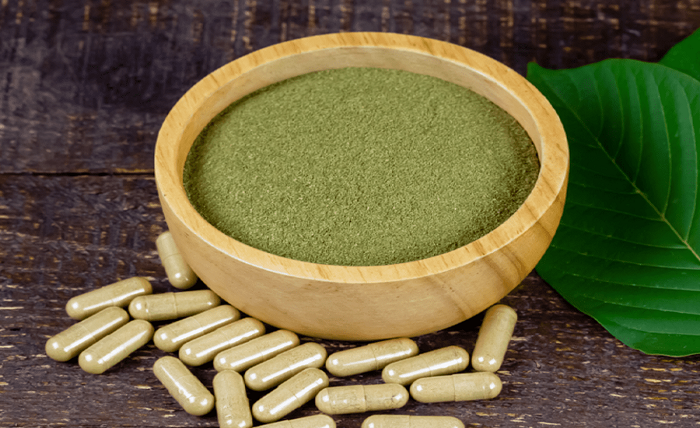
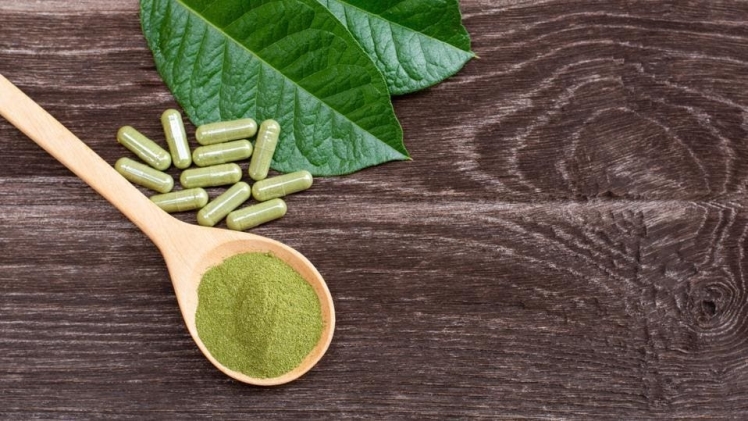
    Kratom is the Mitragyna speciosa tree whole, and the leaves and leaves extracts are used for therapeutic and recreational reasons. It belongs to the Rubiaceae family. Kratom leaves can get brewed, consumed as chewed or dried leaves or utilized to create a liquid product. Kratom in the liquid form gets sold as a remedy for muscular discomfort, and to reduce hunger, ease cramps, and halt diarrhea. Thus, snorting kratom is one of the ways to take kratom to inhale them fast and more powerful. Additionally, kratom may get offered for sale as a panic attack remedy.

    Kratom interacts with opioid receptors. At low doses, Kratom functions as a stimulant and increases one’s energy levels. When taken in extremely high doses, it acts as a sedative, causing users to become quiet and maybe sleepy.

    Traditional Methods:

    Chewing Leaves

    In its native regions, traditional users often chewed fresh kratom leaves to experience its effects. The leaves central vein and stem got removed, and the remaining leaf material getting chewed to release the active compounds. This method allowed for a gradual release of alkaloids, providing a balanced and sustained experience.

    Brewing Kratom Tea

    One of the most popular methods of ingestion is preferring kratom tea. The alkaloids in dried kratom leaves got released into the water by boiling them. After then, the tea may be filtered and sipped. Kratom tea offers a milder experience compared to direct ingestion, making it an appealing option for those looking for a gentler onset of effects.

    Modern Methods:

    Toss and Wash

    The “toss and wash” technique is putting a calibrated amount of kratom powder into the mouth and swallowing it with liquid. The immediate impact of this treatment may not be ideal for everyone owing to the harsh taste and risk of inadvertently inhaling the powder.

    Kratom Capsules

    For those- who prefer a more convenient and tasteless option, kratom capsules get readily available. Pre-measured doses of kratom powder got encapsulated, allowing users to swallow them with water. This method provides a precise dosage and eliminates the need to taste the kratom directly.

    Kratom Extracts:

    Kratom may get processed into potent kratom concentrations, also known as extracts, which are more powerful than essential powder. Any beverage may get blended with these extracts, or they may even be taken sublingually (under the tongue). It’s vital to remember that due to their power, they need to get dosed more precisely to prevent side effects.

    Kratom Edibles

    Creative enthusiasts have explored incorporating kratom into edibles, such as chocolates, gummies, and capsules. These products provide an alternative way to consume kratom while masking its taste. As with any method, proper dosing and responsible use are crucial.

    Inhalation Methods:

    Kratom Smoking

    While not as popular as other methods, some individuals have attempted to smoke kratom leaves or powder. Thus, snorting kratom is believed to provide a quicker onset of effects. However, the high temperatures involved in smoking may degrade the alkaloids, potentially reducing the desired effect.

    Vaporizing Kratom Extracts

    Vaporizing kratom extracts, often using specialized devices, has gained some interest among enthusiasts. Using vaporization to inhale functional compounds is safer than combustion because it eliminates harmful byproducts. However, there is limited research on the effectiveness and safety of this method.

  • Essential Facts about mountain medicine

    Essential Facts about mountain medicine

    Very few people may have heard of mountain medicine. Interestingly, mountain medicine is not different from general practice, but it mainly addresses high-altitude travel and mountain sports. In addition, mountain medicine is a sub-specialty in the field.

    Furthermore, mountain medicine deals with the prevention and treatment of mountain climbers. Therefore, the best person to call is a mountain medicine practitioner for any injury that may arise on a high mountain. Also, a mountain medic is skilled in treating mountain sicknesses, solar radiation, hypobaric hypoxia, etc. Undoubtedly, mountain medicine is one of the most challenging aspects of medicine.

    The importance of mountain medicine

    Even though mountain medicine is evolving, it is an important aspect of this profession. Recently, many people have participated in exploring, expeditions, and pushing their limits on their mountain adventures.

    Furthermore, the love for extreme sports has evolved from mountain climbing to other forms like icefall climbing. A lot of people are even involved in river rafting and canyoning.

    Based on this, the level of accidents has also increased, and the need for more mountain medicine experts too. In addition, mountain medicine is an aspect of extreme medicine.

    How to improve your knowledge of mountain medicine ?

    Essential Facts about mountain medicine1

    Mountain medicine, like all other areas of medicine, is evolving. Ordinarily, it requires training and retraining. To acquire more skills, you need to attend courses. Mountain medicine courses will offer you the following:

    • Courses will introduce you to practical elements you need to work and provide medical care for people in mountainous environments. In other words, it improves your knowledge of mountain medicine.
    • It focuses on helping you acquire and develop the mountaineering skills you need to rescue and treat injured people. Also, you will learn survival skills.
    • Improve your knowledge and the skills you need to treat and evacuate casualties in the mountains. Remember, most mountains are located at high altitudes.
    • Helps you understand new approaches to applying mountain medicine skills to other practical aspects of life.

    Assuming you don’t know how mountain medicine works, you can also take courses to learn more. Besides, mountain medicine is an evolving aspect of medicine that is very uncommon. Click here to learn more mountain medicine courses.

    Real-life skills that will help you become a better mountain medicine practitioner 

    To become a successful mountain medicine practitioner, you need some real-life skills.

    Physical fitness

    You must be physically fit to offer medical assistance to survivors in extreme conditions. In most cases, your services are required in high altitudes, and you may have to walk or even run to save a survivor.

    Patience

    If you aren’t patient, then you can’t practice mountain medicine. Most of the incidents take place in mountains and very rugged areas. Patience will help you administer medical assistance without making mistakes.

    Learn to climb and resist the fear of heights.

    Climbing mountains is a skill you need to successfully carry out your services. Assuming you go to the scene with a helicopter, some places may be too rugged for the aircraft. You may have to step down and climb to the survivor. Also, you can’t succeed as a mountain medicine practitioner if you fear heights.

    Conclusion

    Essential Facts about mountain medicine2

    The mountain medicine practice is not for the faint-hearted. You must be courageous and willing to go extreme to save lives.