
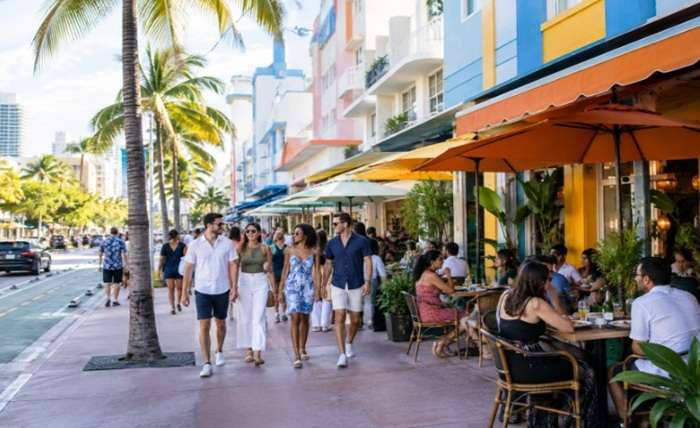
A Miami food crawl works best when it feels like a day out, not a race between reservations. The city offers everything from quick counter-service bites to polished dining rooms, often within the same broader district. Start by using Franki’s Miami dining guide to narrow the choices, then make a route that fits your appetite, budget, and preferred pace.
Miami, Florida rewards a focused plan. Crossing from the beach to the mainland, or from a northern neighborhood to Coconut Grove, can consume more time than expected. Choosing a smaller area lets the group spend less time in transit and more time enjoying coffee, shared plates, dessert, street life, galleries, waterfront views, or a relaxed conversation between stops.
Why a Food Crawl Works Well in Miami
A crawl gives diners permission to sample rather than commit. One stop can be a pastry and coffee, another a small savory dish, and a third the main meal. This format is especially useful for groups with different tastes because people can share a few items without requiring everyone to order the same dishes or spend the same amount.
The neighborhood matters as much as the menu. Miami Beach can suit a day built around ocean air and hotel dining, while Wynwood, Brickell, Coconut Grove, Little Havana, and the Design District each create a different rhythm. Reviewing Miami’s popular dining areas can help you compare settings, cuisines, and overall feel before deciding where to start the crawl.
Step One: Pick the Right Neighborhood
Choose the neighborhood before choosing individual restaurants. A good route should make practical sense for the day you want to have. Consider walking distance, parking availability, rideshare pickup points, indoor seating, outdoor shade, and whether the area still offers appealing options if your first choice is busy.
Neighborhood Factors to Compare
- Walkability: Keep stops close enough that a short walk feels enjoyable rather than exhausting.
- Dining style: Decide whether the group wants casual food, a celebratory meal, cocktails, or a mixture.
- Timing: Consider whether coffee shops, bakeries, lunch counters, and dessert spots are open when you need them.
- Comfort: Include indoor options if the afternoon becomes hot, rainy, or humid.
- Ending point: Choose a neighborhood with an easy final stop, such as a dessert spot, coffee shop, or a calm bar.
Step Two: Set a Realistic Food Budget
A food crawl can seem affordable until drinks, valet, parking, tax, gratuity, and automatic service charges are added. Set a per-person ceiling before booking, then reserve part of it for costs that may not be included in a dish’s listed price. Sharing helps, but only when the group agrees in advance on how to divide the bill.
Simple Budget Styles
- Low-cost crawl: Coffee or a pastry, one casual shared meal, and a dessert or afternoon treat.
- Mid-range crawl: Two shared snack stops, one sit-down meal, and one beverage per person.
- Special-occasion crawl: A reservation, premium small plates, cocktails, and enough time to linger.
Before booking, ask whether portions are designed for sharing, whether the restaurant adds a service charge, whether reservations require a deposit, and whether valet parking is the most practical option. These details can make the difference between a comfortable day and an unexpectedly expensive one.
Step Three: Build a Balanced Route
Three or four stops are usually enough. The goal is contrast: hot and cold, savory and sweet, fast and leisurely, indoor and outdoor. Leave space between the stops so no one arrives at the main meal already full.
- Begin light. Have coffee, fruit, a pastry, or a small breakfast item.
- Add a shared savory stop. Choose one dish that introduces a different flavor or cuisine.
- Make one restaurant the anchor. Reserve the longest window and the largest part of the budget for this meal.
- Finish simply. End with dessert, a mocktail, coffee, or one final small plate.
Match the Crawl to the Group
Families often benefit from earlier times, straightforward menus, and easy parking. Couples may prefer fewer stops with more time at each table. Large groups should call ahead about seating, deposits, split checks, and shared-plate service. Solo diners can seek counters, bars, walk-up windows, and dishes that are easy to order in smaller portions.
Visitors can create a more memorable route by combining one familiar favorite with one dish that feels specific to Miami’s many culinary communities. That approach reduces the pressure to make every stop unfamiliar while still leaving room for discovery.
Use Seasonal Dining Events Carefully
Seasonal restaurant programs and food events can be useful for trying a fixed-price menu or visiting a restaurant that might otherwise feel out of reach. However, confirm the dates, the participating location, the available meal period, the courses, exclusions, drinks, tax, and gratuity. A special menu may not include the dishes you expected, and popular event periods can make reservations harder to secure.
Seasonal Event Checklist
- Review the selected menu before reserving.
- Confirm whether the offer applies at lunch, brunch, dinner, or only certain days.
- Check the cancellation policy and any deposit requirements.
- Keep a nearby backup restaurant for sold-out times or when plans change.
Plan Around Heat, Rain, and Traffic
Miami’s subtropical conditions can make an ambitious walking route uncomfortable, particularly in the middle of the day. Schedule longer outdoor walks for earlier or later in the day, carry water, and treat indoor stops as intentional breaks. The National Weather Service offers practical heat safety guidance that is worth considering before a long day outside.
Traffic can also reshape a route. Avoid building the day around multiple cross-city trips, allow extra time before a reservation, and use one neighborhood as the default plan. If rain arrives, shift to covered dining, a food hall, a café, or an indoor dessert stop rather than trying to preserve every original stop.
What to Check Before Leaving Home
- Confirm each restaurant is open and serving the menu you want.
- Review current prices, reservation rules, and dietary accommodations.
- Check parking, valet, rideshare access, and walking distances.
- Save one backup option in the same neighborhood.
- Leave one part of the schedule open for a spontaneous stop or a longer stay.
Sample Miami Food Crawl Schedule
- 10:00 a.m.: Coffee and a light pastry near the starting point.
- 12:00 p.m.: One shared savory dish.
- 2:00 p.m.: Walk, browse nearby shops, or take an indoor break.
- 4:00 p.m.: Casual late lunch or early dinner at the anchor restaurant.
- 7:00 p.m.: Dessert, a mocktail, or a final small plate.
Final Thoughts
The strongest Miami food crawl is not the one with the most restaurant names. It is the one that moves smoothly, respects the group’s budget, and leaves room to enjoy the neighborhood. Pick a compact route, order thoughtfully, verify the details before you go, and let the day remain flexible enough for an unexpected favorite.